Press Releases
What’s Clogging the Pipes? The Largest Sewage Collection Study Has the Answers
The California Association of Sanitation Agencies, the Responsible Flushing Alliance & the Association of the Nonwoven Fabrics Industry Release the Results of Their Collaborative Collections Study SEATTLE, Wash. (April 4, […]
read more »INDA Remembers Nonwovens Industry Veteran CK Wong
Cary, NC, March 27, 2024 – INDA is warmly remembering CK Wong, a veteran of the nonwovens industry for more than five decades and long-time member of INDA’s Board of […]
read more »Nonwoven Professionals Are Invited to Present at IDEA®25
Global nonwovens event to be held in Miami Beach, FL Cary, NC, March 11, 2024 – INDA, the Association of the Nonwoven Fabrics Industry, announced a call for abstracts for […]
read more »INDA Appoints Dan Noonan as New Director of Memberships and Business Development
Cary, NC, Feb. 27, 2024 – INDA, the Association of the Nonwoven Fabrics Industry, has named experienced sales and business development professional, Dan Noonan, as its new Director of Memberships […]
read more »INDA Elevates Sustainability as Top Priority for 2024
Cary, NC, February 12, 2024 – INDA, the Association of the Nonwoven Fabrics Industry, proudly announces Sustainability as a primary focus for 2024. This strategic initiative, backed by resounding support […]
read more »The World of Wipes® International Conference 2024 Opens Registration
Tabletop exhibit reservations are being taken for the June event Cary, NC, February 7, 2024 – INDA, the Association of the Nonwoven Fabrics Industry, announced that registration and tabletop exhibit […]
read more »Online release of Review 2023 on Tissue Paper & Hygiene Products Industry
Beijing, China, January 2, 2024 – On Jan. 4, 2024, China National Pulp and Paper Research Institute Co., Ltd. (CNPPRI) and China National Household Paper Industry Association (CNHPIA) will hold […]
read more »INDA, NWI Announce 2024 Nonwovens Training Courses Schedule
Cary, NC and Raleigh, NC, December 12, 2023 – INDA, the Association of the Nonwoven Fabrics Industry, and The Nonwovens Institute (NWI), have announced their 2024 workforce development program. The INDA/NWI portfolio of training content […]
read more »Young engineers honoured in Dresden
Frankfurt, 8 December 2023 – As part of the Aachen-Dresden-Denkendorf International Textile Conference in Dresden, the Chairman of the Walter Reiners Foundation of the VDMA, Peter D. Dornier, presented awards to […]
read more »The World of Wipes® (WOW) International Conference Calls for Presentations
Wipes professionals are invited to present their materials and technologies Cary, NC, Dec. 5, 2023 – INDA’s World of Wipes® (WOW) International Conference is accepting abstracts on wipes products, markets, […]
read more »INDA Releases Upgraded International Nonwovens Directory
Cary, NC, November 28, 2023 – INDA, the Association of the Nonwoven Fabrics Industry, has released an upgraded, more user-friendly version of their International Nonwovens Directory. With enhanced search and […]
read more »The Fair of the Yarn Industry: International Istanbul Yarn Fair Will be Held in Istanbul on February 22-24, 2024.
Istanbul, Turkey, November 17, 2023 – International Istanbul Yarn Fair, the largest global fair of the yarn industry is achieving new accomplishments every single year. The fair has increasingly strengthened […]
read more »Absorbent Hygiene Professionals Advanced Their Business at Hygienix™
The Sequel Spiral™ Tampon by Sequel won the 2023 Hygienix Innovation Award™ Cary, NC, November 17, 2023 – INDA, the Association of the Nonwoven Fabrics Industry, connected absorbent hygiene and […]
read more »INDA’s Wes Fisher Named a 2023 Top Lobbyist by the National Institute for Lobbying and Ethics (NILE)
Washington, DC, November 14, 2023 – INDA, The Association of the Nonwoven Fabrics Industry, is pleased to announce that Director of Government Affairs Wes Fisher was named a 2023 Top […]
read more »INDA Releases New North American Nonwovens Industry Outlook Report
Provides analysis across end-use markets through 2027 Cary, NC, Nov. 7, 2023 – INDA, the Association of the Nonwoven Fabrics Industry, has released a new report, North American Nonwovens Industry […]
read more »The Fair of the Yarn Industry: International Istanbul Yarn Fair Will be Held in Istanbul on February 22-24, 2024.
Istanbul, Turkey, November 1, 2023 – International Istanbul Yarn Fair, the largest global fair of the yarn industry is achieving new accomplishments every single year. The fair has increasingly strengthened […]
read more »FiltXPO™ 2023 Brought the World of Filtration Together for New Technologies and Innovations
Cary, NC, October 18, 2023 – INDA, the Association of the Nonwoven Fabrics Industry, announced that C-suite leaders and product developers convened October 10-12, Chicago, IL for the third edition […]
read more »Glatfelter, Mundeo, and Sequel to Vie for Hygienix Innovation Award™
Cary, NC, October 5, 2023 – INDA, the Association of the Nonwoven Fabrics Industry, revealed the three finalists that will compete for the Hygienix Innovation Award™. Glatfelter, Mundeo, and Sequel […]
read more »RISE® 2023 Delivered Material Science Innovations to Business Leaders
TiHive Wins RISE® Innovation Award for their SAPMonit Technology Cary, NC, Oct. 3, 2023 – Business leaders, product developers, and technology scouts convened at the RISE® (Research, Innovation & Science […]
read more »Four Finalists to Compete for the 2023 RISE® Innovation Award
Cary, NC, August 24, 2023 – INDA, the Association of the Nonwoven Fabrics Industry, announced the finalists that will compete for the RISE® Innovation Award. RISE®, the Research, Innovation & Science for […]
read more »INDA Announces Conference Program for Hygienix™ 2023
Cary, NC, August 21, 2023 – INDA, the Association of the Nonwoven Fabrics Industry, announced the conference program for Hygienix™ 2023, November 13-16 to be heldat The Roosevelt New Orleans […]
read more »INDA and the Waterloo Filtration Institute to Partner for FiltXPO™ 2023
Cary, NC, August 17, 2023 – INDA, the Association of the Nonwoven Fabrics Industry, announced that it is partnering with the Waterloo Filtration Institute (WFI) to produce the 2-day FiltXPO™ […]
read more »INDA Partners with EDANA to Expand the Reach of the Industry’s First Quality and Audit Program for Hygiene Product Suppliers
The Quality and Audit Program – a voluntary initiative for the hygiene product industry – is now available in the United States. Cary, NC & Brussels, Belgium, August 3, 2023 […]
read more »INDA Opens Registration and Tabletop Reservations for Hygienix™ 2023
Cary, NC, July 25, 2023 – INDA, the Association of the Nonwoven Fabrics Industry, announced that registration and tabletop exhibit reservations are open for the ninth edition of Hygienix™, November […]
read more »WOW 2023 Breaks Attendance Records
Indorama Ventures and Polymateria Win the World of Wipes Innovation Award® Cary, NC, July 21, 2023 – INDA, the Association of the Nonwoven Fabrics Industry, announced the successful conclusion of […]
read more »INDA Receives United Nations Accreditation; Participates in Plastics Treaty Negotiations
Cary, NC, June 22, 2023 – INDA, the Association of the Nonwoven Fabrics Industry, was granted status last month as an accredited stakeholder with the United Nations Environment Programme (UNEP), […]
read more »The Global Filtration Industry Will Connect at FiltXPO™ 2023
1,200+ filtration professionals will convene for new business, Oct. 10-12 Cary, NC, June 15, 2023 – INDA, the Association of the Nonwoven Fabrics Industry, announced that registration is open for […]
read more »Three Finalists Announced for the 2023 World of Wipes Innovation Award®
2XL Corporation, Avgol Nonwovens, and Yowel to compete for Award Cary, NC, June 13, 2023 – INDA, the Association of the Nonwoven Fabrics Industry, announced the three finalists for the […]
read more »Four Nonwoven Industry Professionals Honored with INDA Lifetime Awards
Jan O’Regan, Seshadri Ramkumar, Jim Robinson, and Ed Thomas to receive service and technical awards Cary, NC, May 9, 2023 – INDA, the Association of the Nonwoven Fabrics Industry, announced […]
read more »Program Announced for World of Wipes® (WOW) International Conference
Wipes Leaders to Present on Key Topicsthis July in Atlanta Cary, NC, March 14, 2023 – INDA announced the program for the World of Wipes® (WOW) International Conference, July 17-20, […]
read more »VDMA: Way2ITMA
Frankfurt, 2 March 2023 – On 28 February, 100 days before ITMA 2023 in Milan, VDMA Textile Machinery launched its “Way2ITMA” webinar series. “Transforming the World of Textiles: efficient – […]
read more »INDA Welcomes Six New Members to the 2023 Board of Directors
Cary, NC, March 1, 2023 – INDA, the Association of the Nonwoven Fabrics Industry, welcomes six new members to its 2023 Board of Directors. The Board of Directors are responsible […]
read more »Registration Is Open for World of Wipes® International Conference 2023
450+ wipes professionals will convene and connect in Atlanta in July Cary, NC, February 15, 2023 – INDA announced that registration and tabletop exhibit reservations are open for the 17th […]
read more »INDA Names Mark Snider Chief Market and Industry Analyst
Experienced Nonwovens & Engineered Materials Consultant Joins Industry Association Cary, NC, February 7, 2023 – INDA, the Association of the Nonwoven Fabrics Industry, has named Mark Snider to the position […]
read more »FiltXPO™ Will Connect Global Companies with Key Decision Makers at International Filtration and Separation Exhibition
Cary, NC, January 30, 2023 – Global leading companies from more than 15 countries in the filtration and separation industry will connect with some 1,500 industry professionals and launch their […]
read more »Review 2022 on Tissue Paper & Hygiene Products Industry
Beijing, China, December 21, 2022 – On Jan. 5, 2023, the China National Pulp and Paper Research Institute Co., Ltd. (CNPPRI) and the China National Household Paper Industry Association (CNHPIA) will […]
read more »Way2ITMA Networking Event
Frankfurt am Main, Germany, December 16, 2022 – VDMA Textile Machinery is holding a Way2ITMA Networking event February 28, 2023 from 9.00 am until 5.00 pm CET. What can you […]
read more »INDA Names MaryJo Lilly Market Intelligence Leader
Experienced Nonwovens & Engineered Materials Business Manager Joins Industry Association Cary, NC, November 30, 2022 – INDA, the Association of the Nonwoven Fabrics Industry, has named MaryJo Lilly as its […]
read more »Hygienix™ Connects 500 Absorbent Hygiene & Personal Care Industry Professionals
Egal Pads – Pads on a Roll™ earns prestigious Hygienix Innovation Award™ Cary, NC, November 22, 2022 – INDA, the Association of the Nonwoven Fabrics Industry convened 500 absorbent hygiene […]
read more »INDA Requests Abstracts for World of Wipes® (WOW) International Conference
Present your wipes innovations at WOW 2023 Cary, NC, Nov. 9, 2022 – INDA’s 17th annual World of Wipes® (WOW) International Conference is accepting abstracts through December 2, 2022, on […]
read more »VDMA: Dr. Harald Weber new Managing Director of the Textile Machinery Association
Frankfurt am Main, 08. October 2022 – Dr. Harald Weber will become the new managing director of the VDMA Textile Machinery Association on 1 January 2023. The 44-year-old industrial engineer […]
read more »Hygienix™ to Welcome 500+ Registrants & 50 Tabletop Displays
Sustainability and Disruptive Trends in Absorbent Hygiene and Personal Care Highlight Hygienix™ Nov. 14-17 Conference in New Orleans Cary, NC, Oct. 24, 2022 – With the largest absorbent hygiene conference […]
read more »INDA Announces Date Changes for IDEA® in Miami Beach, Florida
Moving Premier Event from April 2024 to April 2025 Cary, NC, Oct. 17, 2022 – INDA, the Association of the Nonwoven Fabrics Industry, announces new dates for the 22nd edition […]
read more »Three Absorbent Hygiene Products Featuring Advanced Technology Announced as Finalists for Hygienix Innovation Award™
Revolutionary pH monitoring pantyliner, unique roll dispensing period product and novel potty training pad vie for top honors Cary, NC, Oct. 12, 2022 – Three new absorbent disposable hygiene products […]
read more »Nonwoven & Engineered Material Industry Share Advances in Responsible Sourcing, Sustainable Innovation and End-of-Life Product Solutions
Cary, N.C., October 4, 2022 – Nonwoven & engineered material companies have come together to demonstrate the industry’s commitment to reducing environmental impact and advancing sustainability. From recyclable packaging, biodegradable fibers and sustainable materials […]
read more »RISE® Research, Innovation & Science for Engineered Fabrics Delivers Material Science Innovations to Advance Sustainability
DiaperRecycle Wins RISE® Innovation Award for Technology that Transforms Used Diapers into Cat Litter Cary, NC, Sept. 29, 2022 – Product development and innovators in nonwovens & engineered materials gained […]
read more »INDA Mourns Loss of Industry Leader and Former Executive Committee Appointee Walter G. Jones
Cary, NC, Sept. 28, 2022 — INDA, the Association of the Nonwoven Fabrics Industry, is mourning the loss of Walter “Walt” G. Jones, Chief Executive Officer, Precision Fabrics Group, Inc., […]
read more »INDA Appoints Wes Fisher as Director of Government Affairs
Experienced government affairs professional with Federal and State affairs background to advocate for the nonwovens association in public policy forums Cary, NC, Sept. 22, 2022 – INDA, the Association of […]
read more »INDA Appoints Matt O’Sickey as New Director of Education & Technical Affairs
Experienced nonwovens professional with extensive hygiene, food, medical, and packaging background will strengthen INDA’s key member service areas Cary, NC, Sept. 12, 2022 – INDA, the Association of the Nonwoven […]
read more »INDA Announces the 2022 RISE® Innovation Award Finalists: Innovations in Recycling and Sustainability
Sustainable Diaper Components, Natural Fibers, and Kitty Litter from Recycled Nappies Cary, NC, August 23, 2022 – INDA, the Association of the Nonwoven Fabrics Industry, announced the three finalists that will […]
read more »INDA Appoints Ryan Ragan as New Director of Membership and Industry Relations
Cary, NC, Aug. 18, 2022 – INDA, the Association of the Nonwoven Fabrics Industry, has named experienced operations and development officer Ryan Ragan as its new Director of Membership and […]
read more »RISE® – Research, Innovation & Science for Engineered Fabrics Conference – to Focus on Rethinking, Reusing and Recycling Nonwovens this September in Raleigh
Industry Experts Present Material Science Innovations & Sustainability Cary, NC, August 16, 2022 – More than 20 industry experts will present their views on how material science innovations can create […]
read more »Sustainable Developments in Absorbent Hygiene & Personal Care Take Center Stage at Hygienix™
INDA Announces Full Program and Opens Registration for Premier Event in New Orleans Cary, NC, Aug. 2, 2022 – With reusable and recyclable products and new inputs offering growth opportunities […]
read more »Nominate Your Innovation for the Prestigious Hygienix Innovation Award™
Gain Global Recognition for Your New Absorbent Hygiene Innovations Cary, NC, July 19, 2022 – INDA, the Association of the Nonwoven Fabrics Industry, announces online nominations are now open […]
read more »RISE® – Research, Innovation & Science for Engineered Fabrics Conference – Returns In-Person to North Carolina State University This Fall
Nominations for RISE® Innovation Award Accepted until July 15 Cary, NC, July 12, 2022 – Nonwovens innovators will convene in-person for RISE® – Research, Innovation & Science for Engineered Fabrics […]
read more »More than 450 Professionals Convene and Connect at World of Wipes® International Conference and Advance Vibrant Industry Sector
Nice’ N CLEAN® SecureFLUSH™ Technology Flushable Wipes Recognized with World of Wipes Innovation Award® Cary, NC, July 6, 2022 – More than 450 participants from 18 countries made in-person connections […]
read more »Junior engineers with focus on sustainability
Frankfurt, 23 June 2022 – On the occasion of the Techtextil fair in Frankfurt, the Chairman of VDMA’s Walter Reiners-Stiftung Foundation, Peter D. Dornier, has awarded prizes to seven successful […]
read more »Nominations Are Open for Prestigious RISE® Innovation Award
Honor Your Brightest Ideas in Nonwovens and Material Science, Sept. 27-28, Raleigh, NC Cary, NC, June 22, 2022 – INDA, the Association of the Nonwoven Fabrics Industry, has announced the […]
read more »World of Wipes® International Conference Features Industry Experts Addressing Key Issues to Help Attendees Meet New Challenges
Cary, NC, June 9, 2022 – Industry participants at the World of Wipes® (WOW) International Conference will gain valuable insights from 23 recognized experts addressing key issues exclusively focused on […]
read more »Australia Releases New National Flushability Standard that Draws on Test Methods and Criteria Established by INDA and EDANA
Cary, NC, June 7, 2022 – Standards Australia released on May 23 a new national standard that builds on the test methods and criteria of the INDA/EDANA Flushability Guidance Document, […]
read more »INDA Promotes Tony Fragnito to President
Succeeding Dave Rousse Who Will Retire in January, 2023 Cary, NC, May 31, 2022 – The Board of Directors at INDA, Association of the Nonwoven Fabrics Industry, elevated Tony Fragnito […]
read more »INDA Releases 2022 Nonwovens Supply Report
The Report Offers INDA Members Key Metrics to Assist in Strategic Planning and Investments Cary, NC, May 23, 2022 — INDA, the Association of the Nonwovens Fabrics Industry, announces publication […]
read more »World of Wipes® International Conference 2022 to Address the Changing Role of Post-Pandemic Wipes, Sustainability and More
Industry Experts to Present on Eight Compelling Topics this June in Chicago Cary, NC, April 27, 2022 – With the wipes sector adapting to demands for products that protect consumers […]
read more »INDA Opens Registration for World of Wipes® International Conference in Chicago this June
Dynamic Wipes Conference Connects Industry with Expanded in-Person Networking Over Three Days Cary, NC, April 13, 2022 – Industry participants are looking forward to a dynamic, information-packed conference focused exclusively […]
read more »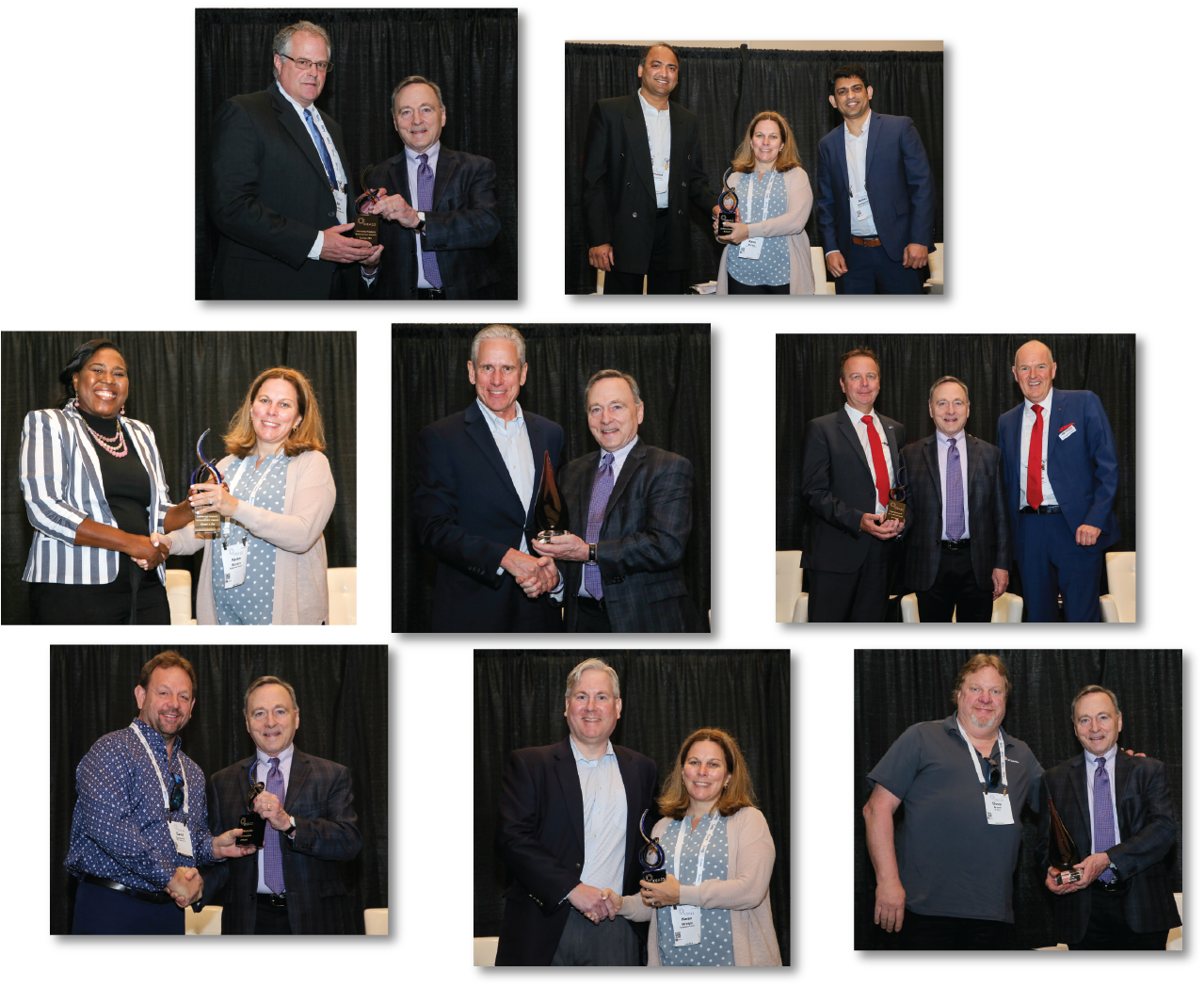
Participants Embrace Renewed Face-to-Face Business with Global Leaders in Nonwovens & Engineered Materials at IDEA® 2022 and FiltXPO™
Cary, NC, April 4, 2022 — Approximately 5,000 participants embraced the opportunity to again engage in face-to-face business meetings with global leaders in nonwovens and engineered materials at IDEA® 2022 in […]
read more »
VDMA: Dr. Janpeter Horn New Chairperson of Textile Machinery Association
Leonberg / Frankfurt am Main, 31 March 2022 – Dr. Janpeter Horn, Managing Director of August Herzog Maschinenfabrik, is the new Chairperson of the VDMA Textile Machinery. Dr. Horn was […]
read more »CASA and INDA Welcome Introduction of WIPPES Act in U.S. Senate
Bill Creates New Federal ‘Do Not Flush’ Labeling Mandates for Disposable Wipes and Provides Related Consumer Education Grants Cary, NC, March 30, 2022 – The California Association of Sanitation Agencies […]
read more »IDEA®22 Will Provide Industry Leaders with a Vital World View of Nonwovens Through Expert Speakers Delivering Key Region Market Updates
Cary, NC, March 14, 2022 – Industry leaders will gain a compelling region-by-region view of the nonwovens industry from experts presenting the latest nonwovens trends in their areas of the […]
read more »INDA Announces Six New Board Members and Officers
Cary, NC, March 7, 2022 – INDA, the Association of the Nonwoven Fabrics Industry, today announced six new board members and its 2022 slate of officers to guide the success […]
read more »Online Voting Opens for “Best of the Best” IDEA® Achievement Awards
Winners in Six Categories to be Announced at IDEA® 2022 in Miami Beach Cary, NC, Feb. 28, 2022 – Online voting for the prestigious IDEA® Achievement Awards representing the “best […]
read more »INDA Appoints Jen Greenamoyer as New Director of Government Affairs
Experienced government affairs professional with EPA background to advocate for the nonwovens association in public policy forums Cary, NC, Feb. 17, 2022 – INDA, The Association of the Nonwoven Fabrics […]
read more »INDA Announces Timing Changes to Major Events: Moves IDEA® to a Two-Year Cycle and FiltXPO™ to Every 18 months
Cary, NC, Feb. 10, 2022 – INDA, the Association of the Nonwoven Fabrics Industry, announces today that IDEA® – the World’s Preeminent Event for the Nonwovens & Engineered Fabrics Industry […]
read more »Webtalk on recycling of man-made fibres with more than 400 registrations
Frankfurt, 17 January 2022 – The next VDMA technology webtalk is scheduled for 19 January (2:00 – 3:30 pm CET). The event “Recycling of man-made fibres – challenges and solutions […]
read more »EUROPEAN COOPERATION FOR THE PRODUCTION OF OXIDE CERAMIC FIBERS
The German Institutes of Textile and Fiber Research Denkendorf (DITF) have signed an agreement with Saint-Gobain Ceramics (France) on cooperation and joint development in the field of metal oxide ceramic […]
read more »
Deadline for Prestigious IDEA® Achievement Awards Has Been Extended to Tuesday, February 1st!
INDA is extending the nomination deadline to the start of February to allow the nonwovens industry more opportunities to recognize and celebrate its exceptional innovations. Cary, NC, December 16, 2021 […]
read more »INDA Excited to Announce Updated Value Proposition to Guide Industry’s Dynamic Future
Cary, NC, December 14, 2021 – INDA, the Association of the Nonwoven Fabrics Industry, today announced it has updated its value proposition to grow the nonwovens industry and establish its […]
read more »INDA Hires New Chief Operating Officer
Tony Fragnito Will Oversee INDA’s Business Operations Cary, NC, November 29, 2021 – INDA, the Association of the Nonwoven Fabrics Industry, today announced that Anthony “Tony” Fragnito has joined the […]
read more »Hygienix™ Draws Nearly 400 Participants to Arizona for Premier Absorbent Hygiene & Personal Care Event
Kudos Diapers Wins 2021 Hygienix Innovation Award Cary, NC, Nov. 23, 2021 – Hygienix™ – the premier event for the absorbent hygiene & personal care markets – drew 390 enthusiastic global […]
read more »Top young talent with cutting-edge topics
Frankfurt, 10 November 2021 – The Chairman of the Walter Reiners-Stiftung foundation of the VDMA Textile Machinery Association, Peter D. Dornier has awarded prizes to three successful young engineers. The […]
read more »Webtalk: Augmented Reality in the textile industry
Frankfurt, 10 November 2021 – The next VDMA technology webtalk is scheduled for 18 November (2:00 – 3:30 pm CET) and will focus on Augmented Reality in the textile industry. […]
read more »Hygienix™ 2021 Builds Momentum for In-Person Conference in Arizona
Innovations in Hygiene & Personal Care Lauded at Premier Event Cary, NC, Oct. 25, 2021 – With enthusiastic participant registration and continued strong growth projected in absorbent hygiene & personal […]
read more »Textile machinery for a sustainable textile industry
VDMA Textile Machinery publishes position paper Frankfurt, 22 October 2021 – In a position paper published today, the companies organised in the VDMA Textile Machinery Association welcome the ambitions of […]
read more »
Forward-Looking Conference Presenters at Hygienix™ 2021 Spotlight Smarter, More Sustainable Absorbent Hygiene & Personal Care Products
Cary, NC, Oct. 12, 2021 – Advances in absorbent hygiene and personal care products that are smarter and more sustainable for a healthier future will be presented by industry-leading experts […]
read more »Virtual RISE Conference Highlights Next-Gen Technologies for Nonwovens/Engineered Materials
Canopy Respirator from Canopy Wins Innovation Award Cary, NC, Oct. 4, 2021 – 145 professionals in product development, material science, and new technologies convened for the 11th conference edition of […]
read more »INDA and EDANA Jointly Publish the Global Nonwoven Markets Report
A Comprehensive Survey and Outlook Assessing Growth Post-Pandemic Cary, NC & Brussels, Belgium, September 29, 2021 – A new report published by the two leading nonwoven trade associations forecasts strong […]
read more »Absorbent Hygiene and Personal Care Markets Revved Up for In-Person Return of Hygienix™
Post-Pandemic Market Opportunities, New Technologies and SustainabilityHighlight Conference This Fall in Arizona Cary, NC, September 21, 2021 – The global absorbent hygiene and personal care markets are enthusiastically anticipating the […]
read more »
INDA Announces the 2021 RISE® Innovation Award Finalists
Innovations in Protection, Efficiency and Engineered Fabrics Cary, NC, Sept. 7, 2021 – INDA, the Association of the Nonwoven Fabrics Industry, announced the three finalists for the prestigious RISE® Innovation Award during […]
read more »
Biden Administration Awards $6.5m Contract to US Cotton LLC to Ramp Up Production of American-Made Polyester Tipped Swabs
August 27, 2021, WASHINGTON, DC—The Biden Administration has awarded a contract for $6.5 million to U.S. Cotton LLC, the largest manufacturer of cotton swabs in the United States, to increase domestic […]
read more »
INDA Unveils “On-Demand” World of Wipes® 2021 Conference Program
Ushers in webcast video that captures “being-there” experience Cary, NC, August 26, 2021 – INDA, the Association of the Nonwoven Fabrics Industry announces “On-Demand” video access to presentations recorded from […]
read more »
EDANA and INDA RELEASE: 2021 NONWOVENS STANDARD PROCEDURES
Harmonized Language Increases Efficiency to Communicate Globally Consistent Descriptions, Production and Testing Cary, NC, August 2, 2021 – EDANA and INDA, the leading global nonwovens associations, jointly announce the launch […]
read more »RISE® – Research, Innovation & Science for Engineered Fabrics Conference – Ready to Present the Latest in Material Science and Sustainability
Registration for Virtual Conference Opens and Speaker Lineup Announced Cary, NC, July 26, 2021 – Industry technical leaders are ready to escalate their businesses with forward-looking insights into material science […]
read more »
World of Wipes® Conference Attracts 475 Wipes Professionals Live and In-Person
Kimberly-Clark Scott® Sanitizing Wipes Selected as World of Wipes Innovation Award® Winner Cary, NC, July 19, 2021 – INDA, the Association of the Nonwoven Fabrics Industry, wrapped up its 15th […]
read more »
Gain Industry Wide Recognition with the Prestigious IDEA® Achievement Awards
Nominate Your Innovations in Nonwovens & Engineered Materials to Be Recognized in 2022, Miami Beach Cary, NC, July 8, 2021 – INDA, the Association of the Nonwoven Fabrics Industry, and […]
read more »
World of Wipes® International Conference Expected to Draw More than 400 Attendees July 12-15 in Atlanta
Nonwovens Industry Demonstrates Readiness to Return to Business In-Person Cary, NC, June 21, 2021 – As business activity emerges with renewed enthusiasm post-pandemic, more than 400 attendees are expected to […]
read more »World of Wipes® International Conference to Deliver Latest Insights on Sustainability, COVID-19 Consumer Wipes Buying Trends and More
INDA Excited to Open its Door for Live Event This July in Atlanta Cary, NC, June 2, 2021 – INDA is gearing up for its live World of Wipes® (WOW) […]
read more »
INDA Launches Updated Nonwoven Material Sampler & Guide with 124 Materials to Feel
Tactile Educational and Technical Resource Helps Companies Make More Informed Decisions Cary, NC, May 24, 2021 – Professionals in nonwovens and engineered materials will now have the latest nonwoven material […]
read more »IDEA® The Triennial Event for Nonwovens & Engineered Fabrics Spotlights Post-pandemic Global Trends and Market Intelligence for 2022 Conference Program
Cary, NC, May 20, 2021 – INDA, the Association for the Nonwoven Fabrics Industry, highlights global and regional insights from industry thought leaders on the future of nonwoven and engineered […]
read more »
FiltXPOTM Presents Unique Panel Debates on Filtration’s Role in Addressing Today’s Top Societal Challenges
Cary, NC, May 13, 2021 – With environmental, health and technology challenges putting filtration topics front and center, industry leaders are energized to tackle the big topics and seize opportunities […]
read more »Virtual trip to Asia by VDMA
Frankfurt, 7 June 2021 – Although affected by the Covid-19 pandemic, ITMA ASIA + CITME, which takes place mid-June in Shanghai, will see a convincing participation of VDMA member companies. […]
read more »INDA Releases 2020 Nonwovens Supply Report
The North American Nonwovens Industry Responds to the PandemicReport Offers INDA Members Key Metrics to Assist in Decision MakingBenchmarks North American Capacity, Production and Operating Rates Cary, NC, April 29, […]
read more »INDA Launches “On-Demand” Nonwoven Training and Key Issue Webinars
Professionals Gain Career Development Access Anytime. Anywhere. Cary, NC, March 25, 2021 – INDA, the Association of the Nonwoven Fabrics Industry, provides a wide-range of On-Demand training courses and issue-awareness […]
read more »World of Wipes® International Conference 2021 Returns as In-Person Event Goes Live in Atlanta This July
Cary, NC, March 17, 2021 – Making and renewing connections in-person will be a key theme when INDA, the Association of the Nonwoven Fabrics Industry, holds its 15th annual World […]
read more »INDA’s Board of Directors Welcomes Seven New Members
Cary, NC, March 2, 2021 — INDA, the Association of the Nonwoven Fabrics Industry, announced the membership election of seven industry leaders to serve on its Board of Directors for […]
read more »INDA Adds Additional Webinar Date to Explain New ASTM Standard on Facemasks
Cary, NC, Feb. 16, 2021 – INDA, the Association of the Nonwoven Fabrics Industry, announced an additional webinar date of Tuesday, March 2, 11 am EST to discuss the new […]
read more »INDA Webinar Series to Address Global Nonwovens Issues:
Upcoming Facemask Standards, Single Use Plastics Legislation, and Impacts of Recent Capacity Announcement
Cary, NC, Feb. 2, 2021 – INDA, the Association of the Nonwovens Fabrics Industry, is taking the lead to inform the nonwovens/engineered materials industry with three one-hour webinars on the […]
read more »INDA, INDUSTRY, AND UNION COALITION OUTLINES POLICY RECOMMENDATIONS IN LETTERS TO PRESIDENT BIDEN, CONGRESSIONAL LEADERS
Cary, NC, January 29, 2021 – INDA, the Association of the Nonwoven Fabrics Industry, with a broad coalition of industry organizations and labor unions, representing a broad spectrum of manufacturers […]
read more »The Nonwovens Institute Introduces New Comprehensive Spunbond and Meltblown Course—Virtually—in Response to Urgent Manufacturing Needs
Cary, NC, Jan. 13, 2021 – Professionals in the nonwovens/engineered fabrics industry are invited to advance their technical skills in a new 2-day nonwoven short course in the “Virtual Introduction […]
read more »INDA Remembers Ian Butler, Former Director of Market Research & Statistics
Cary, NC, December 8, 2020 – INDA, the Association of the Nonwoven Fabrics Industry warmly remembers Ian Butler, INDA’s former Director of Market Research & Statistics, a distinguished authority of […]
read more »INDA Releases New North American Nonwovens Industry Outlook Report
Exclusive content provides analysis across end use markets through 2024 Cary, NC, Dec. 2, 2020 – INDA, the Association of the Nonwoven Fabrics Industry has released a new industry outlook […]
read more »
INDA’s Virtual Hygienix™ 2020 Event Connects Global Hygiene and Personal Care Industry Professionals!
Male Drip Protection from Dermasteel Ltd. Earns Prestigious Hygienix Innovation Award™ Cary, NC, Nov. 19, 2020 – Over 240 professionals from 18 countries throughout the supply chain participated in the […]
read more »Excitement Mounts as Virtual Hygienix™ Conference Approaches
Online Global Hygiene Event Takes on Greater Importance During Pandemic Cary, NC, Oct. 22, 2020 – Industry leaders are touting the importance of participating in this year’s Virtual Hygienix™ conference […]
read more »RISE® Conference Delivers on New Technologies for Nonwovens/Engineered Materials—Virtually
Spunbond High Efficiency Filter Media from The Nonwovens Institute Wins Innovation Award Cary, NC, Oct. 2, 2020 – Over 150 professionals in product development, materials science, and new technologies convened […]
read more »INDA Announces Three Hygienix Innovation Award™ Finalists to Include: Male Drip Protection, Active Lifestyle Adhesives, and Durable Fabrics
Winner to be Announced Nov. 19th—Virtually Cary, NC., Sept. 23, 2020 – Hygiene and personal care industry innovations using nonwovens and engineered materials in a creative, novel and technically sophisticated […]
read more »
INDA Announces the 2020 RISE® Innovation Award Finalists: Changing the Future with Ingenious Solutions in Engineered Materials
Cary, NC, Sept. 8, 2020 – INDA, the Association of the Nonwoven Fabrics Industry, announced the three finalists that will present their innovative material science solutions as they compete for […]
read more »INDA’s World of Wipes® 2020 International Conference Delivered Industry Connections and Key Insights – Virtually
Cary, NC, Sept. 1, 2020 – INDA, the Association of the Nonwoven Fabrics Industry, reports its 14th annual World of Wipes® (WOW) International Conference connected over 260 participants from 20 […]
read more »INDA’s Hygienix™ Event Goes “Virtual” to Address Impacts of the Pandemic on Absorbent Hygiene and Personal Care Markets
Engaging Interactive Format Provides Expert Insights & Senior-Level Connections Cary, NC, Aug. 20, 2020 – INDA, the Association of the Nonwoven Fabrics Industry, announced the sixth edition of the annual […]
read more »
New INDA Report Provides Outlook for Medical Facemask/Respirator Meltblown Demand Resulting from COVID-19
Cary, NC, August 4, 2020 – With respirators and medical facemasks at the forefront of efforts to fight COVID-19, a new report from INDA, the Association of the Nonwoven Fabrics […]
read more »INDA’s World of Wipes® and RISE® 2020 Conferences Transition to All Virtual Format Matching Corporate Travel Policies
Virtual Registration Offers Limitless “On-Demand” Replay for Nonwovens & Engineered Materials Professionals Cary, NC, July 1, 2020 – INDA is transitioning two conference events scheduled for August and September to […]
read more »
RISE® Conference Presents “What’s Next” in Sustainability
The Development Event for New Technologies and Opportunities Sept. 29-30 Cary, NC, June 24, 2020 – INDA, the Association of the Nonwoven Fabrics Industry, has announced that registration is now […]
read more »INDA Reschedules FiltXPO™ to Co-locate with IDEA® 2022 in Miami Beach, Florida
Enhances IDEA® and timing of key Filtration events Cary, NC, June 17, 2020 – INDA, the Association of the Nonwoven Fabrics Industry, announces a new FiltXPO™ venue and date for […]
read more »INDA Presents Critical Metrics on North American Nonwovens Supply & Trade at Two Upcoming Member Webinars
Cary, NC, June 8, 2020 – Key highlights and insights from the seventh edition of the INDA North American Supply Report will be revealed exclusively, at no cost, to the association’s […]
read more »INDA Supplements WIPES Academy Training Course with New Virtual Option: Experience Wipes Training Online
Cary, NC, June 3, 2020 – INDA, the Association of the Nonwoven Fabrics Industry, announces a new virtual supplement to its seventh edition WIPES Academy training course – the first […]
read more »
W+D/BICMA develops 3 ply face mask line capable of 1 million disposable surgical masks per day with a lower cost mask design
Lenexa, KS, May 27, 2020 – The W+D/BICMA hygiene group of Winkler and Dünnebier reacting to the worldwide shortage and peak demand for high quality lower cost face masks has […]
read more »INDA’s Annual Nonwovens Supply Report Benchmarks North American Capacity, Production and Operating Rates
Report Offers INDA Members Key Metrics to Assist in Decision Making Cary, NC, May 28, 2020 – INDA, the Association of the Nonwovens Fabrics Industry, announces publication of the seventh […]
read more »INDA Supplements World of Wipes® Conference with New Virtual Option: Experience Conference Presentations Online
Cary, NC, May 18, 2020 – INDA, the Association of the Nonwoven Fabrics Industry, announces the addition of a “virtual” registration option for its World of Wipes® (WOW) International Conference […]
read more »INDA Honors Nonwoven & Engineered Fabric Member Companies: Launches “Allies Against COVID-19” Website Connecting Industry Resources with Needs
Cary, NC, May 11, 2020 – INDA, the Association of the Nonwoven Fabrics Industry, announced a new portal on the inda.org website: Allies Against COVID-19. The new site connects suppliers […]
read more »INDA Reschedules World of Wipes® International Conference to August 24-27
New Date to Align with Phased State Reopenings Cary, NC, April 30, 2020 – INDA, the Association of the Nonwoven Fabrics Industry, has rescheduled the 14th edition of the World […]
read more »
Wisconsin Converting Manufacturers Run Full-Out to Supply Healthcare Needs During Fight Against COVID 19 Pandemic
Green Bay, WI, April 24, 2020 – Wisconsin’s Converting industry, with its wide-ranging capabilities, is committed to production at full capacity to meet COVID-19 challenges. These typically quiet small-to-midsize companies […]
read more »INDA Remembers Klaus Maitre, Nonwovens Industry Veteran
Cary, NC, April 7, 2020 – INDA is warmly remembering Klaus Maitre, a veteran of the nonwovens and textile industry for five decades. Maitre passed away surrounded by his wife […]
read more »
Jones Family of Companies Appoints New VP of Sales and Business Development
(Charlotte, NC, April 2, 2020) Jones Family of Companies continues to invest in market expansion. This dedication to growth is seen in the recent hiring of Matt Buck as Vice […]
read more »Award Finalists Announced for 2020 World of Wipes® (WOW) International Conference
Event on Schedule for June 22-25 Event in Minneapolis with new fully-refundable registration Cary, NC, Apr. 2, 2020 – INDA, the Association of the Nonwoven Fabrics Industry, announced the three […]
read more »Washington Lawmaker, Cities, and Wipes Industry Applaud Governor Inslee’s Signing of First State Law Mandating “Do Not Flush” Labeling for Certain Disposable Wipes
CARY, NC, March 26, 2020 – Washington Representative Joe Fitzgibbon (D-34) joined the Association of Washington Cities and INDA, Association of the Nonwoven Fabrics Industry, in applauding Governor Inslee’s signing […]
read more »
U.S. Textile and Nonwoven Associations Urge Government to Deem Manufacturing Facilities “Essential”
WASHINGTON DC, March 19, 2020—U.S. textile and nonwoven associations issued a joint statement today urging federal, state and local governments to deem textile and nonwoven manufacturing facilities as “essential” when […]
read more »FiltXPO™ Draws Over 1,300 Attendees to Chicago in First Edition
Cary, NC, March 4, 2020 – Over 1,300 business and product developers converged at Chicago’s Navy Pier for the inaugural edition of FiltXPO™, North America’s only exhibition and technical conference […]
read more »Industry Leaders to Move Toward a Future with Cleaner Air and Water at FiltXPO™ International Filtration/Separation Exhibition & Technical Conference
Cary, NC – Feb. 18, 2020 – Industry leaders from across sectors will move together toward a future world with cleaner air and water when they converge next week at […]
read more »FiltXPO™ Speakers to Explore Emerging Filtration and Separation Solutions for Biopharmaceuticals at Technical Conference This Month in Chicago
Cary, NC, Feb. 6, 2020 – Innovative filtration and separation solutions driving the future evolution of biopharmaceutical manufacturing will be presented by expert speakers at the upcoming FiltXPO™ International Filtration/Separation […]
read more »Registration Opens for 2020 World of Wipes® International Conference
Panel Discussion with Target Highlights Outstanding Program June 22-25 in Minneapolis Cary, NC, Feb. 3, 2020 – Buyer demographics, sustainability, industrial and flushable wipes, substrates, preservatives, and single use plastics […]
read more »FiltXPO Speakers to Address Global Water Sustainability at Upcoming International Filtration/Separation Exhibition & Technical Conference This February in Chicago
Cary, NC, Jan. 29, 2020 – Engineering the Next Generation of Membrane Materials Needed to Achieve Global Water Sustainability Goals will be the topic for the latest keynote presentation to […]
read more »Prominent Keynote Speakers Lined Up for FiltXPO Technical Conference
Info-Packed Program to Feature Experts on Seven Top Themes Cary, NC, Jan. 13, 2020 – Gas phased filtration, biomanufacturing technologies, desalination developments, solution blow spinning, and breakthrough filtration and separation […]
read more »INDA Announces FiltXPO™ Technical Conference Speaker Lineup Engineers and Scientists Delve into Critical Filtration and Separation Topics
Cary, NC, Dec. 4, 2019 – Engineers, scientists and industry professionals will dive deep into critical filtration and separation issues at the FiltXPO technical conference, Feb. 26-28, 2020, at Navy […]
read more »Successful Hygienix™ 2019 Addresses Sustainability in Absorbent Hygiene & Personal Care
The FEUR System™ fecal incontinence product earns prestigious Hygienix Innovation Award™ Cary, NC, November 19, 2019 – Over 500 absorbent hygiene and personal care professionals from 30 countries and throughout […]
read more »Hygienix™ Ready to Welcome 500+ Registrants & 53 Tabletop Displays
Environmental Sustainability of Absorbent Hygiene and Personal Care Products Highlight Hygienix™ Nov. 11-14 Conference in Houston, Texas Cary, NC, Oct. 31, 2019 – With the largest hygienics conference just 10 […]
read more »New Technologies to Transform Hygiene Products Announced as Finalists for Hygienix Innovation Award™
Winner to be Announced Nov. 14th in Houston, Texas Cary, NC, Oct. 8, 2019 – Game-changing products using nonwovens and engineered materials in a creative, novel and technically sophisticated approach […]
read more »RISE® Conference Delivers Insights on Sustainable Technologies to Transform Engineered Fabrics
Surfaceskins – Antibacterial Door Pads & Handles Wins Innovation Award Cary, NC, Sept. 30, 2019 – Over 170 professionals in materials science, product development, and new technologies participated in the […]
read more »RISE® Innovation Award Finalists Announced
Novel and Ingenious Solutions in Research, Innovation & Science for Engineered Fabrics Cary, NC, Sept. 4, 2019 – INDA, the Association of the Nonwoven Fabrics Industry, announces the three finalists […]
read more »INDA Remembers Nonwovens Industry Veteran K. Wayne Hays
Originator of Hygiene Coverstock Business Cary, NC, Aug. 26, 2019 – INDA is warmly remembering K. Wayne Hays, a veteran of the nonwovens industry for more than five decades and […]
read more »INDA Announces Session Chairs and New Conference Details for Inaugural FiltXPO™ Featuring Technical Experts in Critical Filtration and Separation Areas
Cary, NC, Aug. 22, 2019 – Industry experts in filtration science and technology will chair seven critical sessions for INDA’s inaugural FiltXPO, North American’s only exhibition and technical conference dedicated […]
read more »Navigate Nonwovens Markets with Market Intelligence and Economic Forecasts Presented by INDA’s Brad Kalil at RISE® and Hygienix™
Cary, NC, Aug. 20, 2019 — Nonwovens professionals will gain timely market forecasts and insights to better navigate dynamic markets by attending presentations by INDA’s newly titled Director of Market […]
read more »
New Report Forecasts Excellent Worldwide Outlook for Nonwovens through 2023
INDA and EDANA Release Triennial Research Cary, NC & Brussels, Belgium, Aug. 6, 2019 – A new report published by the two leading nonwoven trade associations forecasts strong market demand for […]
read more »Honor Technical Go-Getters: Nominations Open for the Prestigious INDA Lifetime Technical Achievement Award
Cary, NC, July 15, 2019 – INDA, the Association of the Nonwoven Fabrics Industry seeks industry nominations for one of its most prestigious awards – the Lifetime Technical Achievement Award […]
read more »INDA’s World of Wipes® 2019 International Conference Provided Valuable Connections and New Ideas for a Circular Economy
Danufil® QR Fibres Named Winner of the World of Wipes Innovation Award® Cary, NC, July 2, 2019 – INDA, the Association of the Nonwoven Fabrics Industry, reports its 13th annual […]
read more »Environmental Sustainability of Absorbent Hygiene and Personal Care Products Highlight Hygienix™ Conference Topics This Fall in Houston
INDA Announces Keynote Speakers and Event Registration Opening Cary, NC, June 6, 2019 – Environmental sustainability of absorbent hygiene and personal care products will headline the conference topics for Hygienix™ […]
read more »Material Science Innovations Highlighted at RISE® 2019
Focus on Sustainable, Sourcing, and Disposal Technologies in Engineered Fabrics Cary, NC, May 20, 2019 – Innovations in material science, sustainability, and the factors driving nonwovens market trends will be […]
read more »
OUTLOOK™ PLUS LATIN AMERICA 2019 KEEPS ITS MOMENTUM
215+ participants continue enthusiasm for the only Latin American event dedicated to the nonwoven personal care industry: Economics, consumer needs, and incontinence among highlights São Paulo, Brazil, May 15, 2019 […]
read more »Excitement Mounts as INDA’s World of Wipes® (WOW) 2019 Nears
Preservatives, Sustainability, Industrial Wipes Headline Conference Cary, NC, May 14, 2019 – With the 13th annual World of Wipes® (WOW) International Conference June 24-27 fast approaching, excitement is mounting for […]
read more »World of Wipes Innovation Award® Finalists Highlight Biodegradable, Compostable Products and a New Product Category
Cary, NC, April 24, 2019 – Biodegradable disinfecting wipes, soft baby wipes made of 100% repurposed cotton blended fabric with earth friendly packaging, and a new product category to improve […]
read more »INDA Annual Report Benchmarks North American Nonwoven Supply and Trade
Report Offers INDA Members Key Metrics to Assist in Decision Making Cary, NC, April 22, 2019 — INDA, the Association of the Nonwovens Fabrics Industry, announces publication of the sixth […]
read more »
Global Nonwovens Association Leaders Meet at IDEA®
Updated Definition of Nonwovens; Coordination on Plastics Issues Cary, NC, April 15, 2019 – Leaders from the global nonwoven associations held a joint strategy meeting at the IDEA® 2019 Conference, […]
read more »OUTLOOK™ Plus Latin America 2019 Announces Final Program:
Nonwoven, Personal Care, Hygiene, Filtration & Medical Industry Expert Speakers Convene São Paulo, Brazil, May 7-9 Cary, North Carolina, USA and Brussels, Belgium, April 8, 2019 – The two global […]
read more »
IDEA® 2019 Successfully Returns to Miami Beach to Connect Global Leaders in Nonwovens & Engineered Fabrics for Serious Business
Cary, NC, April 5, 2019 – IDEA® 2019, the world’s preeminent event for nonwovens and engineered fabric professionals, welcomed 6,500+ participants and 509 exhibiting companies from 75 countries across the […]
read more »TAPPI’S NETInc BEING HELD MAY 5-8, 2019 IN INDIANAPOLIS, INDIANA, USA
Annual nonwovens conference outlines innovation behind the science and is co-located with four other high powered events Atlanta, GA, March 26, 2019 — TAPPI will host its annual Innovative Nonwovens […]
read more »
Hygienix™ Conference 2019 Calls for Presentations
Absorbent hygiene professionals invited to present advances in technologies, applications, and components Cary, NC, March 20, 2019 – INDA, the Association of the Nonwoven Fabrics Industry, is seeking presentations for […]
read more »INDA Welcomes Seven New Members to Board of Directors
Cary, NC, March 12, 2019 — INDA, the Association of the Nonwoven Fabrics Industry, announces the election by membership of seven industry leaders to serve on its Board of Directors […]
read more »EU Nations Adopt INDA/EDANA Flushability Guidelines
Cary, NC, & Brussels, Belgium, Feb. 26, 2019 – INDA and EDANA, two global trade associations representing wipes manufacturers, announce support from additional European Union countries for the industry’s standard […]
read more »Countdown to IDEA® 2019
IDEA® Ready to Welcome 7,000 Nonwovens & Engineered Fabrics Professionals Highlights Regional Market Intelligence, Stunning Innovations, and Educational Workshops Cary, NC, Feb. 21, 2019 – With the biggest nonwovens and […]
read more »Global Retailer and Manufacturer Alliance Announces ANSI-Accredited Auditing Standards
Newly-developed audit integrity program aims to help eliminate “audit fatigue,” redundancy and associated costs in the areas of Cosmetics/Personal Care, Dietary Supplements and Over-the-Counter Drugs Washington, DC, January 8, 2019 […]
read more »OUTLOOK™ PLUS LATIN AMERICA APRESENTA PALESTRANTES DE DESTAQUE
A Associação Global de Nãotecidos Apresenta sua Terceira Edição Bruxelas, Bélgica e Cary, NC, EUA, 15 de fevereiro de 2019 – INDA e EDANA, as associações que representam as indústrias […]
read more »OUTLOOK™ PLUS LATIN AMERICA DESTACA A LOS DISERTANTES PRINCIPALES
Las asociaciones globales de productos no tejidos presentan la tercera edición de la sobremesa y conferencia Bruselas, Bélgica y Cary, Carolina del Norte, EE. UU., 15 de febrero de 2019 – […]
read more »OUTLOOK™ PLUS LATIN AMERICA HIGHLIGHTS KEYNOTE SPEAKERS
Global Nonwovens Associations Present Third Edition Brussels, Belgium & Cary, NC, USA, February 14, 2019 – INDA and EDANA, the two global trade associations, representing the nonwovens and engineered materials […]
read more »Chris Plotz Joins INDA as Education & Technical Affairs Director
Innovation and product development leader will strengthen INDA’s educational programs and technical services management Cary, NC – Feb. 11, 2019 – INDA, The Association of the Nonwoven Fabrics Industry, today […]
read more »Registration Opens for 2019 World of Wipes® International Conference
Highlights Include Trends, Tariffs & New Technologies, June 24-27 in Atlanta Cary, NC – Feb. 7, 2019 – Material developments, preservatives, sustainability, market data, international tariffs, and plastics in the […]
read more »15 Finalists Announced for Prestigious IDEA®19 Achievement Awards
Voting Opens Online at Nonwovens Industry Website Feb. 15th Cary, NC — Feb. 1, 2019 — INDA, the Association of the Nonwoven Fabrics Industry, has announced 15 cutting-edge companies are […]
read more »Call for RISE® 2019 Presentations & Nominations for RISE® Innovation Award
The Development Event for Professionals in Materials Science Technology, R&D and New Products – Sept. 24-25, Raleigh Cary, NC – January 28, 2019 – INDA, the Association of the Nonwoven […]
read more »Website Registration Open to Attend IDEA®19
Preeminent Event for Nonwovens & Engineered Fabrics Miami Beach, Florida Slate of Regional Market Experts among Event Highlights Cary, NC Jan. 15, 2019 – INDA, the Association of the Nonwoven […]
read more »RISI and FOEX announce rebranding as Fastmarkets
New brand to unify RISI, FOEX and associated brands into world-leading price reporting agency Boston, January 14, 2019 (Press Release) – RISI and FOEX, two leading providers of forest products […]
read more »Present Your Wipes Innovations at WOW 2019
INDA Calls for Abstracts for World of Wipes® International Conference Cary, NC, Nov. 16, 2018 – INDA’s 13th annual World of Wipes® (WOW) International Conference is accepting abstracts through January […]
read more »Successful Hygienix 2018 Reveals New Technologies in Absorbent Hygiene & Personal Care
Retail Shifts, Design Advancements, Incontinence Management, Skin Health, Upcycling, and Haptics Provide Opportunities Callaly Tampliners® Tampon earns prestigious Hygienix Innovation Award™ November 14, 2018 – Cary, NC – Over 500 […]
read more »INDA Honors Professional Engineer, Ralph Moody with Lifetime Technical Achievement Award
Cary, NC – November 7, 2018 – INDA, the Association of the Nonwoven Fabrics Industry, recognized Ralph Moody, PE, Senior Director of R&D, Berry Global, Inc. with its prestigious 2018 […]
read more »INDA Know… Rachel Braun Scherl Shares Her Experience In Female Sexuality and Wellness
November 5, 2018 – Rachel Braun Scherl, female sexuality and wellness expert and author of Orgasmic Leadership, an overview and analysis of the ever-growing female sexuality business and its female […]
read more »FACTS Inc. Announce their Revolutionary New TeraGauge Measurement for Web Applications
FACTS Inc. is a leading supplier and integrator of measurement, control and information systems engineered to meet the complex automation demands of the manufacturing industries. The company has more than […]
read more »Filtration® International Conference & Exposition Celebrates 27th Annual Event with Connections, Educational Content and Training
Cary, NC, Oct. 9, 2018 – INDA’s Filtration® 2018 International Conference & Exposition connected professionals from industry sectors in transportation, medical, energy, life science, commercial, nuclear, aerospace and indoor air […]
read more »INDA Purchases Leading Filtration and Fiber Industry Publications: International Filtration News and International Fiber Journal
Cary, NC, Oct. 2, 2018 – INDA, the Association of the Nonwoven Fabrics Industry, today announced the acquisition of two leading industry publications: International Filtration News and International Fiber Journal. […]
read more »Hygienix Innovation Award™ Finalists are Game Changers for Hygiene Products
2018 Winner to be Awarded Nov. 8 in Orlando, Florida Cary, NC., Sept. 25, 2018 – Disruptive technologies that use nonwovens and engineered materials to change the game for consumer […]
read more »RISE® Conference Accelerates New Thinking and New Opportunities in Nonwovens & Engineered Materials
Infection Reducing DiviDiaper Wins Innovation Award Cary, NC — Sept. 20, 2018 – Technology scouts and product developers attending INDA’s eighth edition Research, Innovation & Science for Engineered Fabrics (RISE®) […]
read more »OUTLOOK™ PLUS LATIN AMERICA to Return to Brazil in May 2019
Global Nonwovens Associations Present Third Edition Brussels, Belgium & Cary, NC, USA, 18 Sept, 2018 – Hosted by INDA and EDANA, OUTLOOK™ Plus Latin America will return to Brazil for […]
read more »INDA Recruits Industry’s Most Talented Students to Enter STEM Fields at Nonwovens and Engineered Material Companies
Industry Group Successful in First-Year Efforts and Expands Program Cary, NC, Sept. 10, 2018 – INDA is once again hitting some of the nation’s top college campuses this fall to […]
read more »Stand Out by Presenting at WOW 2019
INDA Calls for Presentations for World of Wipes® International Conference Cary, NC, Aug. 29, 2018 – INDA’s World of Wipes® (WOW) International Conference 2019 program committee is now accepting abstracts […]
read more »Key Plaintiff Drops Out of Flushable Wipes Lawsuit
The City of Wyoming, Minnesota Bows Out of Lawsuit Claiming Damages from Flushable Wipes CARY, North Carolina, August 15, 2018 – INDA, the Association of Nonwoven Fabrics Industry, today announced […]
read more »INDA Announces Finalists for RISE® Innovation Award
Creative and Unique Solutions in Research, Innovation & Science for Engineered Fabrics Cary, NC – August 14, 2018 – Three finalists will present breakthrough innovative solutions as they compete for […]
read more »Hygienix™ Promises to Disrupt the Status Quo
Disruptive and Sustainable Growth Opportunities for Disposable Absorbent Hygiene and Personal Care Markets Coming November 5 in Orlando, Florida Cary, NC – July 23, 2018 – Hygienix 2018, the premier […]
read more »Nominations Now Open for World’s Top New Products in Nonwovens & Engineered Fabrics: Prestigious IDEA Achievement Awards
Awards to be Presented at Preeminent Event for Nonwovens & Engineered Fabrics, Miami Beach, Florida, March 25-28, 2019 Cary, NC – July 5, 2018 – INDA, the Association of the […]
read more »Filtration® 2018: Bold Innovations Will Command Attention Oct. 2-4 in Philadelphia
Smart Filters, IAQ, High Performance Buildings & New Materials Among Conference Highlights Cary, NC – June 26, 2018 – Bold innovations in air and fluid filtration across major industry sectors […]
read more »INDA Honors Bryan Haynes, Ph.D., with Lifetime Technical Achievement Award
Cary, NC – June 15, 2018 – INDA, the Association of the Nonwoven Fabrics Industry, recognized Bryan Haynes, Ph.D., Senior Technical Director in Global Nonwovens, Kimberly-Clark Corporation with its prestigious […]
read more »INDA’s World of Wipes 2018 International Conference Creates, Connects and Congratulates Industry Success
Cary, NC, June 14, 2018 – INDA, the Association of the Nonwoven Fabrics Industry, reports its 12th annual World of Wipes® (WOW) International Conference June 5-8 successful in connecting 440 […]
read more »INDA’s Inaugural Absorbent Hygiene Products Training Course Is Successful Sell-Out; Registration Opens for Next Date – November 27-29
Cary, NC, June 7, 2018 – INDA’s first edition of its Absorbent Hygiene Products Training Course, May 22-24, sold out and achieved rave reviews from participants. Both the curriculum and […]
read more »INDA Announces Stellar Speaker Line Up, Program and Registration for RISE® 2018
Biomimetics, Lightweighting & Material Science Developments for Engineered Materials Technology Scouts Cary, NC, June 4, 2018 – Biomimetics in nonwovens, lightweighting of auto materials, battery separator developments, and the latest […]
read more »Updated Flushability Guidelines to Help Consumers, Municipalities
Consumers Are Flushing Too Many Items Not Designed to Be Flushed CARY, N.C. (May 31, 2018) – INDA and EDANA, the leading global trade associations representing […]
read more »Greg Day, President, Avanti Corporation
May 29, 2018 – Clarksville, Tennessee – Avanti Corporation is sad to announce the passing of our beloved mentor, friend, and company President, Gregory Day. Gregory Bernard Day-January 20, 1951 to May […]
read more »Wipes Industry Associations Support $700,000 Fine of Pental
Cary, NC, and Brussels, Belgium – May 8, 2018 — The recent news that the Australian Competition and Consumer Commission (ACCC) fined Pental $700,000 for falsely claiming its White King […]
read more »INDA Annual Report Benchmarks North American Nonwoven Supply and Trade
Report Offers INDA Members Key Metrics to Assist in Decision Making May 1, 2018 – Cary, NC – INDA, the Association of the Nonwovens Fabrics Industry, […]
read more »Who Will Win the Prestigious Hygienix Innovation Award™?
Submit Nominations to Recognize Your New Absorbent Hygiene Innovations Cary, NC, April 24, 2018 – INDA, the Association of the Nonwoven Fabrics Industry, announces online nominations are now open for […]
read more »2018 World of Wipes Innovation Award Finalists Tout Ingenuity in Nonwovens: Hero Wipes, Rhino Tote System and Ode to Clean Wipes Are Selected
Cary, NC, April 18, 2018 – Wipes that can help protect firefighters against cancer-causing carcinogens, a refillable tote wipe system and sustainably produced cleaning wipes made entirely from plant starches […]
read more »INDA Announces Five New Members to Prestigious Board of Directors
Cary, NC, March 15, 2018 — INDA, the Association of the Nonwoven Fabrics Industry, announces five newly elected members to its 2018 Board of Directors. These accomplished new Directors demonstrate […]
read more »INDA Unveils New Timing, Established Location and Expanded Focus for Filtration Event
Cary, NC, March 13, 2018 – Responding to the strong growth and established cycle in the filtration industry, INDA has announced plans for its largest-ever event dedicated to an expanded […]
read more »INDA’s Professional Development Center Offers New Comprehensive Absorbent Hygiene Products Training Course
Former P&G Research Fellow to Lead Deep Dive into Largest Nonwovens Market Cary, NC, Feb. 1, 2018 – Product designers, developers and managers wanting to further their knowledge and expertise […]
read more »World of Wipes® International Conference Cultivates Industry Growth
2018 Program Announced and Registration Open for June 5-8 in Chicago Cary, NC – Jan. 18, 2018 – Emerging technologies, new applications, and market insights are the focus of […]
read more »3rd Annual Hygienix™ Absorbent Hygiene and Personal Care Market Conference Delivers Strong Innovations and Education
November 13, 2017 – Cary, NC – Business leaders in the absorbent hygiene and personal care industry paid rapt attention to presentations on Femcare disruptors, material innovations, and demographics at […]
read more »INDA Releases North American Nonwovens Industry Outlook Report
Exclusive content provides analysis across end use markets through 2021 Cary, NC – October 18, 2017 – INDA, the Association of the Nonwoven Fabrics Industry has released a new industry […]
read more »Filtration 2017 Demonstrates Strength of Industry Segment
Delivers Powerful Connections at Conference and Exposition Cary, NC, Oct. 16, 2017 – INDA’s Filtration 2017 International Conference & Exposition reinforced the strength and importance of this vibrant market segment […]
read more »Preemie Diaper and Protective Underwear Products Are Finalists for Hygienix Innovation Award™ 2017
Winner to be Selected by Attendees and Awarded Nov. 9 in Austin, Texas Cary, NC. October 10, 2017 – Comfort is a key benefit of the three engineered material products […]
read more »INDA Launches New Directory of Pilot Lines for Nonwoven Product Development
Cary, NC – October 6, 2017 – INDA, Association of the Nonwoven Fabrics Industry, has launched print and web versions of a new Directory of Pilot Lines for Nonwoven/Engineered Materials […]
read more »INDA Rebrands “Nonwovens” to “Engineered Material Solutions”
New Tagline Better Defines the Dynamic Technology-Based Industry to Attract Young Talent Cary, NC. Oct. 4, 2017 – INDA has launched a rebranding initiative to strengthen recognition of the nonwovens […]
read more »Hygienix 2017 to Focus on Innovation in Hygiene and Personal Care for Consumers of All Ages from Infants to Seniors
Disrupters and Game Changers Among Featured Conference Sessions Cary, NC – Sept. 27, 2017 – Hygienix 2017, the premier event for the absorbent hygiene & personal care markets, will focus […]
read more »RISE® Conference Connects Product Developers with Emerging Technologies and Stimulates Future Business Ideas
Eco-Friendly Single-Serve Compostable Coffee Pod Wins Innovation Award Cary, NC – Sept. 18, 2017 – Technology scouts and product developers attending INDA’s seventh edition conference on Research, Innovation & Science […]
read more »Preview the Newest Innovations Coming to Filtration® 2017 on the Event Website
INDA Expects Strong Booth Traffic for Exhibitors Oct. 10-12 in Chicago Cary, NC – Sept. 14, 2017 – With the Filtration® 2017 International Conference & Exposition less than a month […]
read more »Flushable Wipes Class Action Lawsuit Dropped
The City of Perry, Iowa Settled Lawsuit Claiming Damages from Flushable Wipes CARY, North Carolina, August 10, 2017 – INDA, the Association of Nonwoven Fabrics Industry, today announced the settlement […]
read more »Awards Entry Deadline Extended for INDA Lifetime Technical Achievement and Hygienix Innovation Award™
Cary, NC – August 7, 2017 – INDA, the Association of the Nonwoven Fabrics Industry is extending the nomination application deadline for two of its prestigious awards – the Lifetime […]
read more »Problem Solvers Present at RISE®: Three Finalists Compete for RISE Innovation Award!
Research, Innovation & Science for Engineered Fabrics Conference Recognizes Creative & Unique Solutions Cary, NC – August 3, 2017 – Three finalists will present innovative solutions for the prestigious RISE™ […]
read more »Hygienix 2017 Program: Smart Hygiene, Market Disruptors and Odor Control
Cary, NC – July 31, 2017 – INDA, the Association of the Nonwoven Fabrics Industry announces the Hygienix 2017 conference program will emphasize industry breakthroughs in critical areas for the […]
read more »RISE® 2017 Announces Expanded Program!
Research, Innovation & Science for Engineered Fabrics Conference Highlights Rethinking, Developing, Implementing and Economic Impacts of New Products Cary, NC – July 24, 2017 – RISE® – The Research, Innovation & […]
read more »World of Wipes® International Conference 2018 Calls for Presentations
Industry professionals invited to present advances in Wipes technologies, applications, and components Cary, NC – July 13, 2017 – INDA, the Association of the Nonwoven Fabrics Industry is seeking presentations […]
read more »INDA’s World of Wipes 2017 Conference Keeps Industry Informed and Connected
Cary, NC, June 28, 2017 – INDA, the Association of the Nonwoven Fabrics Industry, wrapped up its 11th annual World of Wipes® (WOW) International Conference June 12-15 with participants and board […]
read more »What Are the Most Innovative Hygiene & Personal Care Products & Technologies?
Submit Your Nominations Now for Prestigious Hygienix Innovation Award™ Cary, NC, June 21, 2017 – INDA, the Association of the Nonwoven Fabrics Industry, is accepting nominations for the prestigious Hygienix Innovation […]
read more »Filtration’s Power and Potential Is Unleashed at Filtration 2017, Oct. 10-12 in Chicago
Industrial Internet of Things, Standards Panel and M&As Among Conference Highlights Cary, NC – June 15, 2017 – The pure energy, innovation, and quality of the air and liquid […]
read more »INDA Co-Sponsors RISI Asia Pacific Hygiene Symposium 2017
2nd annual Symposium focused on absorbent hygiene to be held in China Cary, NC, May 31, 2017 – INDA, the Association of the Nonwoven Fabrics Industry, announced it is co-sponsoring […]
read more »INDA Names Assistant Director of Career Services
Justin Gutierrez Joins Association in New Position to Promote Nonwoven Careers to College Graduates Cary, North Carolina, May 11, 2017 — INDA, the Association of the Nonwoven Fabrics Industry, has […]
read more »RISE® 2017 Announces All-Star Lineup of Keynote Speakers
Conference to connect innovations with real-world applications Cary, NC – May 3, 2017 – The seventh edition of RISE® – The Research, Innovation & Science for Engineered Fabrics Conference – […]
read more »INDA Welcomes Six New Members to Dynamic Board of Directors
Cary, NC, April 18, 2017 — INDA, the Association of the Nonwoven Fabrics Industry, announces the election of six new members to its board of directors for 2017. The newly […]
read more »INDA Annual Report Benchmarks North American Nonwoven Capacity, Production and Trade
Report Offers INDA Members Key Metrics to Assist in Decision Making March 31, 2016 – Cary, NC – INDA, the Association of the Nonwovens Fabrics Industry, publishes the fourth edition […]
read more »OUTLOOK™ Plus Latin America 2017 Keeps Its Promises
The second edition of the only Latin American event for the nonwoven personal care industry gains momentum – attracting over 270 participants Sao Paulo, Brazil – March 16, 2017 – […]
read more »World of Wipes Innovation Award® Finalists Are Changing the Face of the Wipes Industry
Select the Winner by Voting at WOW 2017 in Nashville Cary, NC, March 14, 2017 – Competition for the 2017 World of Wipes Innovation Award® has been narrowed to […]
read more »WOW 2017 Keeps Attendees Ahead of Change in the Wipes Industry
Program Announced and Registration Opens for June 12-15 Event in Nashville Cary, NC – Feb. 23, 2017 – Attendees to INDA’s World of Wipes® (WOW) International Conference 2017 will learn about […]
read more »Outlook™ Plus Latin America 2017 Announces Final Program
Nonwoven, Personal Care, and Medical Industry Expert Speakers Convene São Paulo, Brazil, March 7-9 Cary, North Carolina, USA and Brussels, Belgium – Feb. 1, 2017 – The two global nonwoven trade […]
read more »Outlook™ Plus América Latina 2017 Anuncia Programa Final
Encontro dos Palestrantes Especialistas nas Indústrias de Não-Tecidos, Cuidados Pessoais e Médica São Paulo, Brasil, 7 a 9 de março Cary, Carolina do Norte, EUA e Bruxelas, Bélgica – 1 de […]
read more »Outlook™ Plus Latinoamérica 2017 anuncia su programa final:
Se reúnen los expertos de la Industria de No Tejidos, Cuidado Personal y Médica. San Pablo, Brasil, 7 a 9 de marzo Cary, Carolina del Norte, EE.UU. y Bruselas, Bélgica– 1 […]
read more »INDA Co-Organizes 2nd Edition CiNE 2017
China International Nonwovens Expo & Forum to Be Held Jun. 21-23 Cary, NC – January 27, 2017 – INDA, the Association of the Nonwoven Fabrics Industry, announces it will co-organize […]
read more »INDA Consolidates Nonwovens Training Courses Under New Professional Development Center
Jan. 9, 2017 – Cary, NC – Professionals in nonwovens/engineered fabrics can take training courses to advance their careers through the Professional Development Center, a newly designed hub for training […]
read more »INDA Expands its Services to Enhance Member College Recruiting Efforts
New Role Will Position Attractiveness of Nonwovens & Engineered Fabrics Industry Cary, North Carolina, Jan. 3, 2017 — INDA, the Association of the Nonwoven Fabrics Industry, announced today that it […]
read more »What Are the Wipes Industries Most Innovative Products & Technologies?
Submit Your Nominations Now for Prestigious World of Wipes Innovation Award® Winner Announced at WOW 2017 International Conference June 12-15 in Tennessee Cary, NC – December 19, 2016 – INDA, […]
read more »NEW INDA Report Forecasts Excellent Global Growth for Wipes Industry
Cary, North Carolina, Dec. 15, 2016 – A new report published by INDA, the Association of the Nonwoven Fabrics Industry, forecasts excellent growth in the global and regional nonwovens wipes […]
read more »INDA’s 25th Filtration® Delivers “Pure Solutions” with International Conference & Exposition
Cary, NC – Nov. 17, 2016 – INDA’s 25th Filtration International Conference & Exposition with its Nonwoven Filter Media Training Course delivered “Pure Solutions” for attendees of the event, Nov. […]
read more »INDA Joins U.S. Manufacturing Community to Unite America Post-Election
INDA Joins U.S. Manufacturing Community to Unite America Post-Election More Than 1,100 Manufacturing and Business Leaders Sign Letter to President-Elect Pledging Respect and Cooperation November 10, 2016 – Cary, NC […]
read more »2nd Annual HYGIENIX Event is Industry Hit
Drawing Over 525 Participants from Absorbent Hygiene and Personal Care Markets November 2, 2016 – Cary, NC – The absorbent hygiene and personal care markets gave strong and enthusiastic support […]
read more »OUTLOOK™ PLUS LATIN AMERICA Announces Keynote Speaker
Welber Barral, Chairman of the Brazil Industries Coalition and Former Brazilian Secretary of Foreign Trade Cary, NC, USA and Brussels, Belgium – Oct. 25, 2016 — Welber Barral, Ph.D., a leading […]
read more »New INDA Report Benchmarks South American Nonwovens: Supply, Demand and Trade 2015-2020
Regional Data for Nonwovens Business Decisions Cary, NC, Oct. 21, 2016 — INDA, the Association of the Nonwovens Fabrics Industry, has published the fourth study of the South American region […]
read more »The RISE® (Research, Innovation & Science for Engineered Fabrics) Conference 2017 Seeks Abstracts
Industry professionals invited to present novel technologies, concepts, and ideas on the forefront of development Cary, NC – September 27, 2016 – INDA, the Association of the Nonwoven Fabrics Industry has […]
read more »INDA Marks 25th Anniversary of Filtration International Conference & Exposition with Record Exhibition Space Booked and Complimentary Admission Day
Cary, NC, Sept. 15, 2016 – INDA, the Association of the Nonwoven Fabrics Industry, is celebrating the 25th Anniversary of its annual Filtration International Conference & Exposition with record […]
read more »INDA Announces Three Novel Absorbent Hygiene and Personal Care Products as Hygienix Innovation Award™ Finalists
Winner will be Named at Hygienix Conference Oct. 27 in Orlando September 6, 2016 – Cary, NC – Banana fiber-based feminine pads, stretchable adhesives for disposable underwear, and facial exfoliating […]
read more »RISE® 2017 Connects Emerging Technologies with Real Applications
INDA Technology Conference Comes to Raleigh Next September Aug. 24, 2016 – Cary, NC – The Research, Innovation & Science for Engineered Fabrics Conference, RISE® 2017, will be held Sept. […]
read more »Filtration Industry Growth to Be Celebrated at INDA’s 25th Annual Filtration International Conference & Exposition
Cary, NC, July 5, 2016 – INDA will celebrate the strength and growth of the filtration market at its 25th anniversary edition of the Filtration International Conference & Exposition in […]
read more »INDA Annual Report Benchmarks North American Nonwoven Capacity, Production and Trade
Report Offers INDA Members 24 Key Supply Metrics June 29, 2016 – Cary, NC – INDA, the Association of the Nonwovens Fabrics Industry, publishes the third edition of the annual […]
read more »Ya está abierta la inscripción para la OUTLOOK™ PLUS LATINOAMÉRICA
EDANA e INDA presentan la segunda edición en Brasil, en marzo de 2017 Bruselas, Bélgica y Cary, Carolina del Norte, Estados Unidos, 21 de junio de 2016 – Los organizadores […]
read more »Inscrições Abertas para OUTLOOK™ PLUS AMÉRICA LATINA
EDANA e INDA Apresentam a Segunda Edição no Brasil em Março de 2017 Bruxelas, Bélgica e Cary, NC, USA, 21 de junho de 2016 – as inscrições para a segunda […]
read more »Registration Now Open for OUTLOOK™ PLUS LATIN AMERICA
EDANA and INDA Present Second Edition in Brazil March 2017 Brussels, Belgium and Cary, NC, USA, June 21, 2016 – Registration for the second OUTLOOK™ Plus Latin America Conference, March […]
read more »INDA’s World of Wipes® 2016 Conference Delivers Strong WOW Factor
Cary, NC, June 15, 2016 – INDA, the Association of the Nonwoven Fabrics Industry, recently wrapped up its 10th annual World of Wipes® (WOW) International Conference June 7-10 with attendees […]
read more »INDA Seeks Nominations of Novel and Unique Hygiene Products and Technologies for New Hygienix Innovation Award
Award to be Presented at Hygienix Oct. 24-27, 2016 in Florida Cary, NC, May 31, 2016 – INDA, the Association of the Nonwoven Fabrics Industry, has opened the nomination process […]
read more »OUTLOOK™ Plus Latin America Returns to Brazil in March 2017
Two Global Nonwovens Associations Present Second Edition Brussels, Belgium and Cary, NC, USA, 19 May, 2016 — OUTLOOK™ Plus Latin America will return to Brazil for the second edition March […]
read more »IDEA16 Resounding Success with Largest Turnout in its 45-year History
INDA and Nonwovens Industry Presents Achievement Awards Cary, NC, May 11, 2016 – Attracting over 7,000 attendees and 555 exhibitors, IDEA16 broke all prior exhibitor and attendee records for its […]
read more »Wesley Michael joins Propex GeoSolutions as Market Segment Manager for Coal Combustion Residuals
May 9, 2016 – Propex GeoSolutions is proud to announce the addition of Wesley Michael to our growing team of professionals, as our new Coal […]
read more »Three Finalists for Innovation Award will WOW Conference Attendees
Wipes to Clean Guitar Strings, Provide Bee Sting Relief, and Remove Eye Makeup Compete for Prestigious Prize Cary, NC, April 26, 2016 – Wipes for unique applications from cleaning string […]
read more »VMI introduces the ACE 600 cotton pad punching and packaging machine
April 18th, 2016 – VMI completes its ACE family with the VMI ACE 600. This latest addition to the ACE range of products has an unrivalled capacity of 60 bags […]
read more »INDA Enthusiastically Supports RISI Asia Pacific Hygiene Symposium
New Symposium Focused on Hygiene Trends to be Held in China This Fall Cary, NC, April 18, 2016 – INDA has joined with RISI to sponsor the Asia Pacific Hygiene […]
read more »Filtration® 2016 International Conference & Exposition to Explore “Pure Need”
Online Registration Opens on Website for Nov. 8-10 Event in Philadelphia Cary, NC, April 11, 2016 – Evolving markets, changing health requirements, and breakthroughs in water filtration are all fueling […]
read more »Turnkey processing systems for nonwovens and engineered fabrics
SANDVIK TPS will present its turnkey solutions for the processing of composite materials and nonwovens at IDEA 16 (Booth #757). The company produces modular systems combining precision scattering systems, double […]
read more »IDEA16 Breaking Records
INDA Ready to Welcome Largest Number of Exhibitors and Attendees in 45-year History to Boston Cary, NC, March 31, 2016 – With the biggest nonwovens event this year just a […]
read more »Hygienix16 Promises Continued Industry Excitement
Registration for Conference Oct. 24-27 in Orlando, Florida Opens on INDA Website Cary, NC – March 22, 2016 – Hygienix 2016 promises to continue the industry excitement from the inaugural […]
read more »INDA’s Annual Leadership Meeting Honors Member Achievements and Charts Future
Three Industry Experts Awarded for Long-time Contributions Cary, NC – March 17, 2016 – INDA, the Association of the Nonwoven Fabrics Industry, has recognized three high-achieving nonwoven industry leaders at […]
read more »Get Your Daily Market Intelligence at IDEA16
Leading Research Analysts to Provide Daily Pre-Event Trend Reports Cary, NC, March 10, 2016 – IDEA16 attendees will get live market intelligence reports from leading research analysts on game-changing trends […]
read more »Nanofibers, Applications and Related Technologies (NART 2016) Conference Coming to Raleigh This Fall
INDA and The Nonwovens Institute Announce Call for Papers Cary, NC – March 3, 2016 – INDA and The Nonwovens Institute have announced the Nanofibers, Applications and Related Technologies (NART […]
read more »INDA Names Finalists for IDEA16 Achievement Awards
Voting Now Open Online at Nonwovens Industry Website CARY, NC — Feb. 25, 2016 — INDA, the Association of the Nonwoven Fabrics Industry, has announced 15 leading companies are finalists […]
read more »INDA Announces Call for Presentations for Hygienix16
Cary, NC – Feb. 18, 2016 – Industry professionals interested in presenting their expertise in absorbent hygiene and personal care nonwovens at Hygienix16 are being called on to submit abstracts […]
read more »INDA’s Scientific E-Journal Adds New Editorial Leadership Strengthening its Academic and Industry Collaboration
Cary, NC – Feb. 16, 2016 – INDA’s Journal of Engineered Fibers and Fabrics (JEFF) has strengthened its collaboration with academic scholars and industry experts with its appointment of new […]
read more »WOW 2016 Program Announced, Website Launches and Registration Opens for World of Wipes® International Conference
Cary, NC – Feb. 10, 2016 – Online registration and full program details for INDA’s 10th edition of the World of Wipes® (WOW) International Conference 2016 is now available at […]
read more »RISE Conference Inspires New Thinking about Engineered Fabrics
INDA Event in New Orleans Demonstrates Innovative Future for Industry Cary, NC – Feb. 3, 2016 – Technology scouts attending INDA’s Research, Innovation & Science for Engineered Fabrics (RISE®) left […]
read more »INDA Announces Walmart Leader to Speak at WOW 2016
Submissions Sought for the Prestigious World of Wipes Innovation Award Cary, NC – Jan. 11, 2016 – For the 10th edition of the World of Wipes® International Conference, INDA announced […]
read more »New Materials, Science, and Solutions Coming to New Orleans INDA Announces RISE® Speaker Line Up for Jan. 25-28 Conference
Cary, NC – Jan. 4, 2016 – The latest technology innovations in engineered fabrics will find practical market applications through connections made at INDA’s Research, Innovation & Science for Engineered […]
read more »Three Finalists to Compete for Prestigious RISE® Durable Product Award
Most Innovative Durable Nonwoven to be Awarded at INDA’s RISE® Conference Jan. 25-28 in New Orleans Cary, NC – Dec. 10, 2015 – Three finalists have been nominated for the prestigious […]
read more »New Report Forecasts Excellent Worldwide Outlook for Nonwovens through 2020
INDA and EDANA Release Triennial Research Cary, NC & Brussels, Belgium – Dec. 9, 2015 – A new report published by the two leading global trade associations forecasts strong market demand […]
read more »RISE® Conference Provides Inside Look at What’s Next in Engineered Materials
INDA Announces Speaker Lineup and Program Highlights for 2016 Event Cary, NC – Nov. 30, 2015 – The future in engineered fabrics technology, materials, and markets will be seen at INDA’s […]
read more »INDA Wraps Up Successful Filtration® 2015 Conference & Exposition
Cary, NC – Nov. 23, 2015 – The strong response to INDA’s recently completed Filtration® 2015 Conference & Exposition confirmed the high importance of the growing segment of nonwoven media […]
read more »Inaugural HYGIENIX Event is Industry Hit
Drawing Over 600 Attendees from Absorbent Hygiene and Personal Care Markets Cary, NC – Nov. 3, 2015 – Combining two conferences into one value-packed event for Absorbent Hygiene and […]
read more »INDA Announces New Speakers for Filtration® 2015: Delegate Registration and Exhibition Bookings Strong
Cary, NC – Oct. 21, 2015 – With new presentations by filtration experts added to the Conference, over 135 exhibition displays, and strong advance registration, INDA is gearing up for […]
read more »Registration for HYGIENIX Shows Industry’s Strong and Enthusiastic Response to New Combined Event for Absorbent Hygiene and Personal Care Markets
Cary, NC – Oct. 14, 2015 – The industry is giving HYGIENIX strong and enthusiastic support based on advance registrations for the debut of the new combined event for the […]
read more »Nominations Now Open for IDEA16 Achievement Awards
Prestigious awards ceremony to highlight events at IDEA16 in Boston next year CARY, NC — October 1, 2015 — The brightest innovation across the nonwovens and engineered fabrics industry will […]
read more »INDA and EDANA Release: 2015 Nonwovens Standard Procedures
Nonwovens and related industries benefit with a common technical language for all products September 17, 2015 – Cary, North Carolina, EDANA and INDA, the leading global nonwovens associations, jointly announce […]
read more »INDA Seeks Nominations for Innovative Nonwovens and Engineered Fabrics for RISE® Durable Product Award
Cary, NC – Aug. 31, 2015 — INDA, the Association of the Nonwoven Fabrics Industry, is seeking nominations from companies of innovative nonwoven products and technologies for its 5th annual […]
read more »INDA Mourns Loss of Industry Leader and Educator Edward “Ed” Vaughn
Cary, NC – Aug. 24, 2015 — INDA, the Association of the Nonwoven Fabrics Industry, is mourning the loss of Edward “Ed” Vaughn, Professor Emeritus at Clemson University and a […]
read more »INDA’s Filtration International Conference & Exposition to Feature View of Future Filter Media Requirements
All-in-One Event Offering “Pure Opportunity” Returns to Chicago Nov. 17-19 Cary, NC – Aug. 24, 2015 – INDA’s Filtration International Conference & Exposition will feature a view of future filter […]
read more »Industry Excitement Mounts for Filtration 2015 International Conference & Exposition on Its Chicago Return
Cary, NC – Aug. 6, 2015 – Building on the excitement of the combination of the Filtration 2015 International Conference & Exposition with the INDA Nonwoven Filter Media Training Course, […]
read more »INDA Launches New Website for HYGIENIX
The Premier Event for the Absorbent Hygiene and Personal Care Markets International Conference to Debut Oct. 26-29 in St. Petersburg, Florida Cary, NC – July 27, 2015 – Industry […]
read more »IDEA16 Website Launches with Exhibitor and Attendee Information
Online Booth Reservations Available for International Engineered Fabrics Conference & Exposition May 2-5, 2016 in Boston Cary, NC – June 25, 2015 – INDA, the Association of the Nonwoven Fabrics […]
read more »World of Wipes® International Conference Attracts Record Attendance to Atlanta
Clorox® ScrubSingles™ Kitchen Pads Selected as World of Wipes Innovation Award® Winner Cary, NC – June 23, 2015 – INDA, the Association of the Nonwoven Fabrics Industry, wrapped up its […]
read more »To Flush Or Not To Flush? Wipes Industry’s Leading Brand Manufacturers and Experts Convene in Atlanta as Cities Seek Answers
World of Wipes® (WOW) International Conference, June 16 – 19, will highlight different perspectives, solutions and approaches for fixing clogged sewers in cities around the world and educating consumers Atlanta […]
read more »INDA Announces “Pure Opportunity” at Filtration® 2015 International Conference & Exposition
Face-to-face engagement, filter media training, new technologies, and emerging markets highlight the filtration industry’s annual event Cary, NC – June 2, 2015 – INDA announces the Filtration® 2015 International Conference […]
read more »INDA Announces Program for HYGIENIX: The Premier Event for the Absorbent Hygiene and Personal Care Markets
New Conference Resulting from Merger of INSIGHT + VISION Focuses on Key Nonwovens Markets Cary, NC. May 27, 2015 – INDA, the Association of the Nonwoven Fabrics Industry, announced the initial […]
read more »INDA Announces Finalists for Prestigious World of Wipes Innovation Award
Cary, NC – May 22, 2015 – INDA, the Association of the Nonwoven Fabrics Industry, today announced the names of three finalists to compete for the prestigious World of Wipes […]
read more »INDA Remembers Former President Theodore “Ted” Wirtz
April 27, 2015 – Cary, NC – INDA is warmly remembering its former president Theodore “Ted” Wirtz, who died peacefully on March 29 at the age of 81. Wirtz headed […]
read more »INDA Announces James Loftus as New Director of Education and Technical Affairs
April 9, 2015, CARY, NC – INDA, the Association of the Nonwoven Fabrics Industry, announces the appointment of Jim Loftus as its new Director of Education and Technical Affairs. Loftus […]
read more »INDA Annual Report Benchmarks North American Nonwovens Capacity and Production
Report Offers INDA Members 24 Key Supply Metrics March 31, 2015 – Cary, NC – INDA, the Association of the Nonwovens Fabrics Industry, publishes the second edition of the annual […]
read more »Associations Collaborate to Launch Improved “Flushability” Guidelines
Associations Collaborate to Launch Improved “Flushability” Guidelines to Reduce Impacts of Improper Wipes Disposal The group will also meet next week to discuss the establishment of a new Product Stewardship […]
read more »INDA Announces 2015 World of Wipes® International Conference
INDA Announces 2015 World of Wipes® International Conference (WOW) to be held in Atlanta in June Industry Game Changers, Flushability, and Retail Perspectives to Top Conference Program Cary, NC. March […]
read more »INDA Co-Organizes New China International Nonwovens Expo & Forum
CINE to be Held Oct. 14-16 at the Shanghai Mart Cary, NC. March 11, 2015 – INDA, the Association of the Nonwoven Fabrics Industry, announced it has joined with China […]
read more »INDA Announces HYGIENIX — New Premier Event for Hygiene and Personal Care
Conference is the Result of Merger of INSIGHT + VISION Cary, NC. March 9, 2015 – INDA, the Association of the Nonwoven Fabrics Industry, announced the combined INSIGHT + VISION […]
read more »OUTLOOK™ PLUS LATIN AMERICA CLOSES
Attracting more than 250 attendees, participants declare the first ever Latin American event a success Sao Paulo, Brazil – March 6, 2015 – The two global nonwoven trade associations, EDANA […]
read more »INDA Announces Lifetime Technical Achievement Award
INDA Honors Proctor & Gamble Research Fellow Thomas Federle with Lifetime Technical Achievement Award at Nonwoven Fabrics Association Annual Meeting Cary, NC – March 5, 2015 – INDA, the Association […]
read more »RISE2015 Durable Product Award Winner
New Nonwoven Material Made Entirely from Plant-based Materials Wins 2015 INDA RISE® Durable Product Award Cary, NC – March 3, 2015 – INDA, the Association of the Nonwoven Fabrics Industry, has awarded […]
read more »INDA Completes Successful RISE® 2015 & N3M Conference in Miami
Cary, NC. March 3, 2015 – Leaders in materials research and innovative science found “what’s next” in engineered fabrics at the recently concluded Research, Innovation & Science for Engineered Fabrics […]
read more »Final Program for Outlook™ Plus Latin America 2015 Announced
First Event to be Held in São Paulo, Brazil, March 3-5 Brussels, Belgium and Cary, USA – Jan. 28, 2015 – The two global nonwoven trade associations, EDANA and INDA, […]
read more »INDA Announces Full Program for RISE® 2015 & N3M Conference, Feb. 9-12, Miami
Graphene, Intelligent Fabrics, Nanofibers Among Event Highlights Cary, NC. Jan. 26, 2015 – Leading-edge speakers will look at “what’s next” in engineered materials – from graphene and nanofibers to intelligent […]
read more »INDA Annual Meeting and Leadership Conference Features Economist Brian Beaulieu and Political Correspondent Bob Franken
Event to be Held Feb. 23-25 in Hilton Head, SC Cary, NC. Jan. 15, 2015 – Members of INDA, the Association of the Nonwoven Fabrics Industry, will hear insights from […]
read more »NEW INDA North American Nonwovens Industry Intelligence Report
Full disclosure on demand/supply data for 2008, 2013 and 2018 forecast Jan. 9, 2015, Cary, NC – INDA, the Association of the Nonwoven Fabrics Industry, announced today the availability of […]
read more »INDA Announces Four Companies to Compete for Prestigious RISE® Durable Product Award
Coveted industry award will recognize best new durable nonwovens at INDA’s RISE & N3M Conference February 9-12, Miami, Florida CARY, N.C. — December 18, 2014 — Four unique finalists have […]
read more »INDA Launches Research Study to Direct 2015 INSIGHT and VISION Conference
Absorbent & Personal Care Industry Professionals Offered $250 for Opinions Cary, NC – Dec. 3, 2014 – INDA, the Association of the Nonwoven Fabrics Industry, announces the launch of an […]
read more »INDA’s Filtration® 2014 Delivers “Pure Opportunity” with International Conference & Exposition and Sold-Out Nonwoven Filter Media Training Course
Cary, NC – Dec. 2, 2014 – The first-ever combination of INDA’s Filtration® 2014 International Conference & Exposition with its Nonwoven Filter Media Training Course delivered on “Pure Opportunity” for […]
read more »Registration is Now Open to See the Future of Engineered Fabrics
Registration is Now Open to See the Future of Engineered Fabrics RISE® Conference and N3M Symposium Feb. 9-12 in Miami Cary, NC. Nov. 7, 2014 – INDA, the […]
read more »Absorbent Product Industry Attendees Gain Insights at 2014 Conference
Strong Increase in attendance driven by new business and latest innovations November 4, 2014 – Cary, NC: For industry professionals in absorbent products and personal care markets, the INSIGHT2014 International […]
read more »INDA and North Carolina State University’s Nonwovens Institute Team-Up for Nonwovens Course Series
Sept.18, 2014, Cary, NC – INDA, the Association of the Nonwoven Fabrics Industry and North Carolina State University’s Nonwovens Institute (NWI) announce a new jointly organized series of nonwovens short […]
read more »Nonwovens Trending Toward The Nano: RISE and N3M
INDA’s Research, Innovative & Science for Engineered Fabrics Conference Includes Nanofibers for the Third Millennium Sept. 2, 2014 – Cary, N.C. — INDA, the Association of the Nonwoven Fabrics Industry, […]
read more »New Publication Benchmarks Nonwovens Capacity and Production
INDA Publishes First Membership Edition: North American Nonwovens Supply Report August 28, 2014 – Cary, NC – INDA, the Association of the Nonwovens Fabrics Industry, is pleased to announce its […]
read more »
INDA Announces IDEA Will Move to Boston Convention & Exhibition Center for 2016
International Engineered Fabrics Conference and Exposition to be Held May 3-5, 2016 in “America’s Walking City” Cary, NC – Aug. 5, 2014 – INDA, the Association of the Nonwoven Fabrics […]
read more »INDA Announces “Pure Opportunity” at the Filtration® 2014 International Conference & Exposition
Face-to-face business meetings, filter media training, new technologies, and emerging markets highlight the filtration industry’s annual event Cary, NC – July 10, 2014 – INDA announces […]
read more »A EDANA E A INDA ANUNCIAM O HOTEL ONDE TERÁ LUGAR O EVENTO OUTLOOK™ AMÉRICA LATINA
2 de julho de 2014, Bruxelas, Bélgica e Cary, Carolina do Norte, EUA – As duas associações globais dos não tecidos, EDANA e INDA, anunciaram hoje que o Renaissance São […]
read more »EDANA E INDA ANUNCIAN HOTEL PARA LA OUTLOOK™ PLUS LATIN AMERICA
2 de julio de 2014, Bruselas, Bélgica y Cary, Carolina del Norte, EE.UU. – Las dos asociaciones internacionales de textiles no tejidos, EDANA e INDA, anunciaron hoy que el Renaissance […]
read more »EDANA and INDA Announce Hotel for OUTLOOK™ Plus Latin America
July 2, 2014, Brussels, Belgium and Cary, North Carolina, USA – The two global nonwovens associations, EDANA and INDA, today announced that the Renaissance Sao Paulo Hotel, Sao Paulo, […]
read more »New WIPES Academy Set for October 2014
Training course equips wipes professionals to advance their business prospects Cary, NC – June 26, 2014 — INDA, the Association of the Nonwoven Fabrics Industry, announced recently at the World […]
read more »INDA Announces New Date for Research, Innovation & Science for Engineered Fabrics Conference, February 9 in Miami
INDA Acquisition of INSIGHT Conference Simplifies 2015 Conference Schedule Cary, NC. June 18, 2014 – INDA, the Association of the Nonwoven Fabrics Industry, announced a new date and location for […]
read more »INDA Annual Report Analyzes Industry-wide Events That Impact Nonwovens Industry
INDA Impact 2014 Quantifies Insights that Could Affect the Wipes, Hygiene, Disposable Nonwoven and Geosynthetics Industries Cary, NC – June 16, 2014 – INDA, the Association of the Nonwoven Fabrics […]
read more »INDA Annual Report Analyzes Industry-wide Events That Impact Nonwovens Industry
FOR IMMEDIATE RELEASE INDA Impact 2014 Quantifies Insights that Could Affect the Wipes, Hygiene, Disposable Nonwoven and Geosynthetics Industries Cary, NC – June 16, 2014 – INDA, the Association of […]
read more »World of Wipes® International Conference Emphasizes Latest Innovations in Wipes Trends, Technologies and Brands
Cary, NC – June 11, 2014 – The World of Wipes® (WOW) International Conference attracted a record number of wipes industry professionals from the entire wipes value chain at the […]
read more »INDA’s Converting and Bonding Conference Provided Compelling Content for Nonwoven Professionals
Three-day event combines converting, bonding and needlepunch industries Cary, NC – May 30, 2014 – INDA’s second biennial Converting and Bonding (CAB) Conference May 6-8 in Greenville, SC satisfied attendees […]
read more »INDA Acquires INSIGHT Conference from Marketing Technology Service, Inc.
INSIGHT to be Combined with VISION Starting in Fall 2015 as the Largest Hygiene Event Cary, NC – May 29, 2014 – INDA, the Association of the Nonwoven Fabrics Industry, […]
read more »INDA Earns U.S. EPA Environmental Merit Award for Campaign to Reduce Flushing Baby Wipes
Collaborative Campaign Cuts Clogging from Non-Flushable Materials in Maine’s Wastewater by 50 Percent According to Initial Post Study Cary, NC – May 5, 2014 – INDA, the Association of the […]
read more »INDA Announces Finalists for Prestigious World of Wipes Innovation® Award
Cary, NC – May 5, 2014 – INDA, the Association of the Nonwoven Fabrics Industry, today announced the names of four finalists to compete for the prestigious World of Wipes […]
read more »INDA Campaign Earns 2014 EPA Environmental Merit Award Nomination
Joint Effort with Maine Wastewater Group Demonstrates Exemplary Product Stewardship on Wipes Flushability Issue Cary, NC – April 2, 2014 – A public awareness campaign sponsored by INDA, the Association […]
read more »World of Wipes® International Conference 2014 Set for June in Minneapolis
Only Conference Devoted to Wipes Brings Entire Supply Chain Together Cary, N.C., March 17, 2014 – Hundreds of key executives from the entire global wipes supply chain will gather in […]
read more »INDA Honors Nonwoven Industry Professionals with Lifetime Achievement Awards
Joseph D. Wahlquist and Thomas A. Justice Receive Industry’s Most Prestigious Technical and Service Awards Cary, NC – March 14, 2014 – INDA, the Association of the Nonwoven Fabrics Industry, […]
read more »Nonwovens Association Shows its Strength at Annual Meeting
Robb Lovegrove of Milliken Named Chairman of Board of Directors Cary, N.C., March 14, 2014 – INDA, the Association of the Nonwoven Fabrics Industry, is a financially strong and growing […]
read more »ANDRITZ Nonwoven presents innovative process solutions at INDEX 2014
Graz, February 7, 2014. International technology Group ANDRITZ will be presenting its latest nonwovens solutions at INDEX 2014 in Geneva, Switzerland (April 8-11, booth 2114). ANDRITZ Nonwoven […]
read more »Butterfly Body Liners Wins INDA’s 2014 Visionary Award
Nonwoven feminine hygiene product helps provide solution to ABL CARY, NC, Feb. 3 — A new kind of feminine hygiene product that protects women against light to moderate accidental bowel leakage (ABL) has been selected as the […]
read more »EDANA and INDA Launch New Shared Mission and Vision
EDANA and INDA Launch New Shared Mission and Vision Initiative Further Strengthens Nonwovens Association Relationship Between Europe and North America Brussels, Belgium and Cary, NC – Jan. 27, 2014 – […]
read more »INDA Announces Joan Izzo New Director of Marketing
Cary, NC – January 14, 2014 – INDA, the Association of the Nonwoven Fabrics Industry, today announced the appointment of Joan Izzo as its new Director of Marketing. Izzo brings […]
read more »Date and location confirmed for the INDA/EDANA OUTLOOK™ Latin America 2015
THE INDA/EDANA OUTLOOK™ LATIN AMERICA 2015 Nonwovens for Hygiene and Personal Care to meet from the 3rd to the 5th March, in Sao Paulo, Brazil 19th December, 2013 – Brussels, Belgium […]
read more »INDA Ends Great 2013; Announces 2014 Annual Meeting & Leadership Conference
Cary, NC – December 19, 2013 – The year 2013 was an extremely busy and rewarding one for INDA, the Association of the Nonwoven Fabrics Industry. Kicking off the year […]
read more »2014 Visionary Award Nominees Announced
CARY, N.C. — December 17, 2013 — INDA, the Association of the Nonwoven Fabrics Industry, announces five new consumer products that have been selected as finalists for the 2014 Visionary […]
read more »INDA Strengthens Relations with Asia-Pacific Associations
INDA Advancing Global Partnerships Cary, NC – November 22, 2013 – INDA, the Association of the Nonwoven Fabrics Industry, had a busy Fall in China advancing its global partnerships to […]
read more »VISION® 2014 Delivers Strategic Information
New market and business opportunities for nonwovens/engineered fabrics in consumer products industry in Dallas CARY, N.C. — November 22, 2013 — INDA, the Association of the Nonwoven Fabrics Industry, announces […]
read more »The Filter Media Value Chain Converges at FILTRATION® 2013
Annual event in Chicago, Illinois boasts record number of attendees CARY, N.C. — November 18, 2013 — INDA’s annual FILTRATION® International Conference & Exposition, held November 12-14, 2013, Navy Pier, […]
read more »INDA’s RISE® 2013 Conference Highlighted Exciting New Technical Innovations for Nonwoven/Engineered Fabrics
RISE Attendance Continues to Grow. Increases 25% vs. RISE 2012 October 16, 2013 – Cary, NC – The 4th annual RISE 2013 Conference held September 30-October 3, 2013 at the […]
read more »INDA, NACWA, WEF, and APWA Are Working Together to Reduce Costly Burden on U.S. Wastewater Systems
Improper disposal of non-flushables leads to expensive clogging issues for utilities CARY, NC, WASHINGTON, DC. INDA, the Association of the Nonwoven Fabrics Industry, the National Association of Clean Water Agencies […]
read more »INDA Announces New Member Relations Director
Cary, NC – September 13, 2013 – INDA, Association of the Nonwoven Fabrics Industry, has announced that Morris T. Collins, Jr. has been appointed Director of Member Relations, a new […]
read more »INDA/EDANA ANNOUNCE NEW THIRD EDITION OF FLUSHABILITY GUIDELINES
Offers more simple review and testing approach and one consistent global ‘Do Not Flush’ symbol 11 September, 2013 — BRUSSELS BELGIUM and CARY, NC., EDANA and INDA, the two […]
read more »3rd Annual RISE® Durable Product Award Finalists
CARY, N.C. — September 10, 2013 — The finalists have been selected for the prestigious 3rd annual RISE® Durable Product Award and the Award will be presented at the annual […]
read more »FILTRATION® 2013 Headed to Chicago
Cary, NC – September 4, 2013 – INDA’s FILTRATION® International Conference and Exposition is returning to Navy Pier in Chicago, Illinois, November 12-14, 2013, and promises to be the […]
read more »RISE 2013 to Highlight Leading Edge Innovation and Technology for Nonwoven / Engineered Fabrics
Cary, NC – August 13, 2013 – RISE 2013, the Research, Innovation & Science for Engineered Fabrics Conference, will be held September 30-October 3, 2013, Grand Hyatt, Denver, Colorado USA. […]
read more »INDA and CNITA to Co-Sponsor WTiN/RISI Asia-Pacific Nonwovens Symposium
Cary, NC – August 5, 2013 – INDA, Association of the Nonwoven Fabrics Industry, along with the China Nonwovens and Industrial Textiles Association (CNITA) are co-sponsoring the 1st Asia-Pacific Nonwovens […]
read more »INDA PRAISES RELEASE OF EPA SOLVENT-CONTAMINATED WIPES RULE
Rule Could Spell Opportunity for Nonwoven Industrial Wipes July 29, 2013 — CARY, NORTH CAROLINA — INDA, Association of the Nonwoven Fabrics Industry praised the U.S. Environmental Protection Agency for […]
read more »INDA Applauds Introduction of Miscellaneous Tariff Bill in House
CARY, NC – July 22, 2013 – INDA, Association of the Nonwoven Fabrics Industry applauded the July 17 introduction of H.R. 2708, the Miscellaneous Tariff Bill (MTB), by House Ways […]
read more »INDA Releases New North American Wipes Report
CARY, NC – July 16, 2013 – INDA, Association of the Nonwoven Fabrics Industry, announced today the availability of a new wipes report, entitled “North American Wipes Market: Trends & […]
read more »Annual World of Wipes® Conference Brings Wipes Industry to Atlanta, Georgia
Cary, NC – June 26, 2013 – Key executives from the entire wipes value chain converged on Atlanta last week for the 7th annual World of Wipes 2013 (WOW); the […]
read more »Finalists Named for Sixth World of Wipes Innovation Award®
Recipient of 2013 Award will be named at annual World of Wipes® Conference in Atlanta in June CARY, N.C. — June 4, 2013 — Four finalists have been selected to […]
read more »IDEA13 Brought World of Engineered Fabrics and Nonwovens to Miami Beach
IDEA13 International Engineered Fabrics Conference and Exposition featured a record number of exhibitors and attendees CARY, NC — May 2, 2013 — A strong presence of international visitors and exhibitors, […]
read more »INDA Announces IDEA13 Achievement Award Winners
Entrepreneur and Lifetime Achievement Award winners also presented CARY, NC – April 24, 2013 — The prestigious IDEA13 Achievement Awards were presented during a special ceremony at IDEA13, the International […]
read more »EDANA and INDA partnering in OUTLOOK™ Latin America 2015
EDANA and INDA, the two global nonwovens associations, today announced they will partner to co-organise a new edition of EDANA’s OUTLOOK™ conference programme for Latin America in early 2015. 24 […]
read more »INDA and EDANA Join Forces to Promote Free and Fair Trade Globally
Efforts will benefit nonwoven companies worldwide April 23, 2013, Cary, NC and Brussels, Belgium. The two global nonwovens associations, EDANA and INDA announced today they are joining efforts to promote […]
read more »INDA Joins Sustainable Minds Industry Sponsor Program To Deliver the First Industry-Defined Lifecycle Dataset for Nonwovens
SM teams up with nonwovens industry experts Chapas & Chinai Associates to provide product innovation services Cary, NC – April 19, 2013 – INDA, Association of the Nonwoven Fabrics Industry, […]
read more »INDA Appoints New Director of Market Research & Statistics
Nonwovens Association continues its thrust of adding value for members Cary, N.C. – April 15, 2013 – INDA, Association of the Nonwoven Fabrics Industry, has appointed Brad Kalil as the […]
read more »World of Wipes® International Conference 2013 Coming to Atlanta, Georgia
The only conference devoted entirely to the wipes industry set for June 17-20, 2013 Cary, N.C. — April 3, 2013 — Innovation, new technologies and great networking are […]
read more »INDA Elects New Members to Its Board of Directors
The election of new members to the Board of Directors highlighted INDA’s Annual Meeting and Leadership Conference CARY, N.C. — April 2, 2013 — INDA, Association of the Nonwoven Fabrics […]
read more »Welcome to IDEA13 – Eastman Chemical Sponsors Welcome Reception
CARY, N.C. — April 2, 2013 — IDEA13, International Engineered Fabrics Conference and Expo, will be held April 22-25, 2013 at the Miami Beach Convention Center, Miami Beach, Florida. To […]
read more »
Nominations Now Open for 2013 World of Wipes Innovation Award™
Annual industry award will be presented during World of Wipes® Conference in Atlanta, June 17-20 CARY, N.C. — March 26, 2013 — Nominations are open for the 2013 World of […]
read more »INDA Releases New Latin America Nonwovens Industry Report
New report details this growing market for nonwovens CARY, N.C. — March 13, 2013 — A comprehensive new report, “Latin American Nonwoven Markets: Trends, Forecasts, and Analysis 2012-2017” is now […]
read more »INDA Releases New China Nonwovens Industry Report
New China Nonwovens Industry Outlook looks at current market trends and forecasts the future of the country’s business CARY, N.C. — February 7, 2013 — Offering an in-depth look at […]
read more »Dude Wipes From Dude Products Receives 2013 Visionary Award
Unique wipe product selected from five finalists in competition at VISION 2013 Consumer Products Conference in Orlando CARY, NC — February 5, 2013 — Incorporating social packaging and humorous, niche-driven […]
read more »INDA Enters Strategic Alliance with CNITA
Cary, NC – January 24, 2013 – INDA, Association of the Nonwovens Fabric Industry announced today that they have entered into a strategic alliance agreement with the China Nonwoven and […]
read more »INDA Announces Nominees for IDEA13 Achievement Awards
Industry members will vote on three finalists per category and the winners will be announced at IDEA13 in Miami Beach in April CARY, NC — January 17, 2013 — A […]
read more »INDA’s Filtration 2012 Brought The World of Filtration Together in Philadelphia
Annual event approached record numbers in both attendance and exhibitors at Philadelphia Convention Center in November CARY, N.C. — December 4, 2012 — One of the largest and most successful […]
read more »INDA Names Five Finalists for Prestigious 2013 Visionary Award
Industry award will be presented during VISION 2013 Consumer Products Conference in Orlando on January 31 CARY, N.C. — November 26, 2013 — Five new consumer products that utilize nonwoven […]
read more »Innovation and New Technologies Were the Focus of INDA’s RISE® 2012 Conference
Merging technical innovations with practical product applications for global nonwovens/engineered materials November 1, 2012 – Cary, NC – The 3rd annual RISE (Research, Innovation & Science for Engineered Fabrics) 2012 […]
read more »Two Nonwovens Industry Professionals Honored with INDA Awards
David Lunceford and Peter Wallace received industry’s highest technical and service awards at RISE® Conference in Baltimore, Maryland CARY, N.C. — October 23, 2012 — The eleventh annual INDA Award […]
read more »INDA Releases 2012 Harmonized Test Methods
The updated version of global guidelines delivers a new numbering system and new methods CARY, N.C. — October 19, 2012 — INDA, the leading Association of the Nonwoven Fabrics Industry, […]
read more »INDA Partners with Good360 in Product Philanthropy Initiative
Leading nonwovens association partners to help the nonwovens industry donate goods to charitable organizations CARY, N.C. — October 18, 2012 — Realizing that its member companies would benefit greatly […]
read more »INDA Names David Rousse New President
Nonwovens association names successor to current president Rory Holmes, who will retire in mid-2013 CARY, N.C. — October 9, 2012 — The Board of Directors at INDA, Association of the […]
read more »Nominations Now Open for IDEA13 Achievement Awards
Prestigious awards ceremony to highlight events at IDEA13 in Miami next year CARY, NC — October 4, 2012 — Nominations are now open for the prestigious IDEA13 Achievement Awards, which […]
read more »Four Companies to Compete for Second Annual RISE Durable Product™ Award
Coveted industry award will recognize best new durable nonwovens at INDA’s RISE Conference in October CARY, N.C. — September 7, 2012 — Four unique new products have been nominated as finalists […]
read more »Landmark Medical Nonwovens Report Published By INDA
The European market opportunity for single-use surgical drapes and gowns is analyzed in this new report from INDA CARY, N.C. – September 6, 2012 – A comprehensive new report on […]
read more »Filtration 2012 Returns to Philadelphia
Exhibit sales and international participation are on record pace for Filtration 2012 International Conference and Exposition in November CARY, N.C. — August 24, 2012 – Entering its third decade as […]
read more »Industry to RISE to the Occasion at October Conference
Registration is now open for the annual Research, Innovation & Science for Engineered Fabrics (RISE) Conference in Baltimore CARY, NC — July 20, 2012 — Looking to connect global technical […]
read more »INDA Conference WOWed the Wipes Industry
Annual World of Wipes (WOW)® Conference in Chicago focused on global wipes issues and opportunities, along with the presentation of World of Wipes Innovation Award™ CARY, N.C. — June 12, […]
read more »INDA Recognizes Efforts of Lawmakers on Harmonized Tariff Schedule
Bills sponsored by Ohio lawmakers aim to streamline absorbent products classification CARY, N.C. — May 17, 2012 — Bills sponsored by two Ohio legislators – Senator Sherrod Brown (D–OH) and […]
read more »Finalists Named for Fifth World of Wipes Innovation Award™
Attendees at annual World of Wipes® Conference in Chicago in June will vote for the recipient of 2012 Award CARY, N.C. — May 4, 2012 — Four finalists have been […]
read more »